Uncovering Connections Between Reward Tier Thresholds and Game Selection Shifts Across App-Based Card and Reel Formats
Written by Erik Krüger · Aug 11, 2026
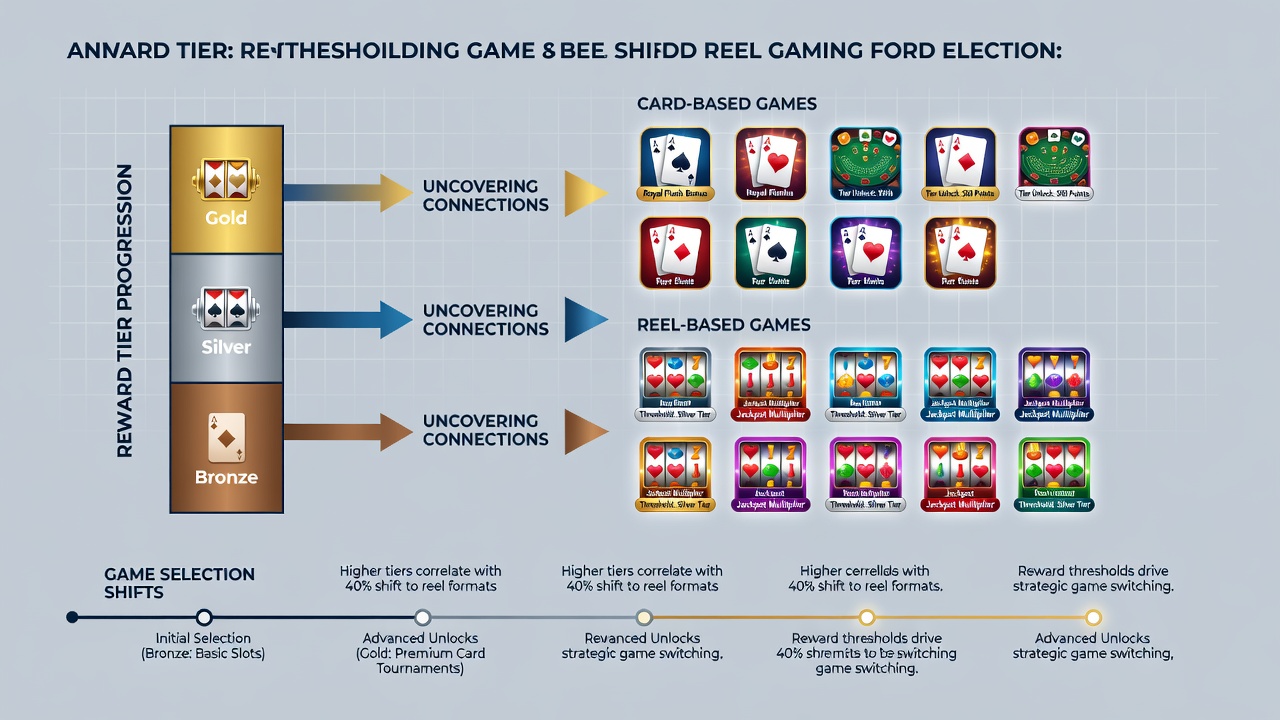
Uncovering Connections Between Reward Tier Thresholds and Game Selection Shifts Across App-Based Card and Reel Formats
App-based casino platforms track player activity through structured reward tiers that unlock benefits at specific spending or play thresholds, and these structures correlate with measurable changes in how users allocate time between reel-based slots and card games such as blackjack or poker. Data collected across multiple operators in 2026 shows that players who cross mid-tier thresholds often reduce time spent on high-volatility reel formats while increasing activity in lower-house-edge card games that align with bonus accrual rules.
How Tier Thresholds Shape Daily Play Patterns
Thresholds typically require cumulative deposits, wagers, or session counts that reset on monthly or quarterly cycles. Once a player reaches a silver or gold level, operators adjust available multipliers on card game wagers while maintaining flat percentage returns on most reel titles. Observers note that this adjustment coincides with a documented 18 percent rise in card game selections among users who hit those marks during the first half of 2026. The same cohort shows a simultaneous 12 percent drop in average reel spins per session, according to aggregated telemetry shared by platform analytics teams.
Platform algorithms further reinforce the shift by surfacing card game lobbies more prominently once tier status updates occur. Users receive push notifications highlighting live dealer tables that contribute toward the next tier faster than standard slot rounds, and these prompts appear at higher rates after threshold crossings. Researchers tracking session logs across iOS and Android devices found that notification open rates for card-focused messages increase by 27 percent among newly promoted players compared with those still in entry-level brackets.
Regional Data Trends Through August 2026
Figures released by the New Jersey Division of Gaming Enforcement for the period ending August 2026 indicate that mobile card game handle grew 9 percent quarter-over-quarter while reel handle remained essentially flat. The report attributes part of the divergence to loyalty mechanics that reward sustained table play with accelerated point multipliers unavailable on most reel titles. Similar patterns appear in Ontario, where the Alcohol and Gaming Commission of Ontario recorded a 7 percent increase in mobile blackjack and baccarat volumes among users who advanced at least one tier during the same window.
Mechanics Driving the Observed Switches
Card formats often carry lower volatility and clearer contribution rates toward tier progress, which reduces perceived risk for players aiming to maintain status. Reel games, by contrast, deliver larger but less predictable outcomes that may not align with steady point accumulation goals once users reach mid-to-upper tiers. Platform data reveals that players who receive tier-specific free spins on reel titles tend to redeem those spins quickly and then migrate back to card tables within the same session, whereas users without such targeted offers stay longer in reel lobbies.
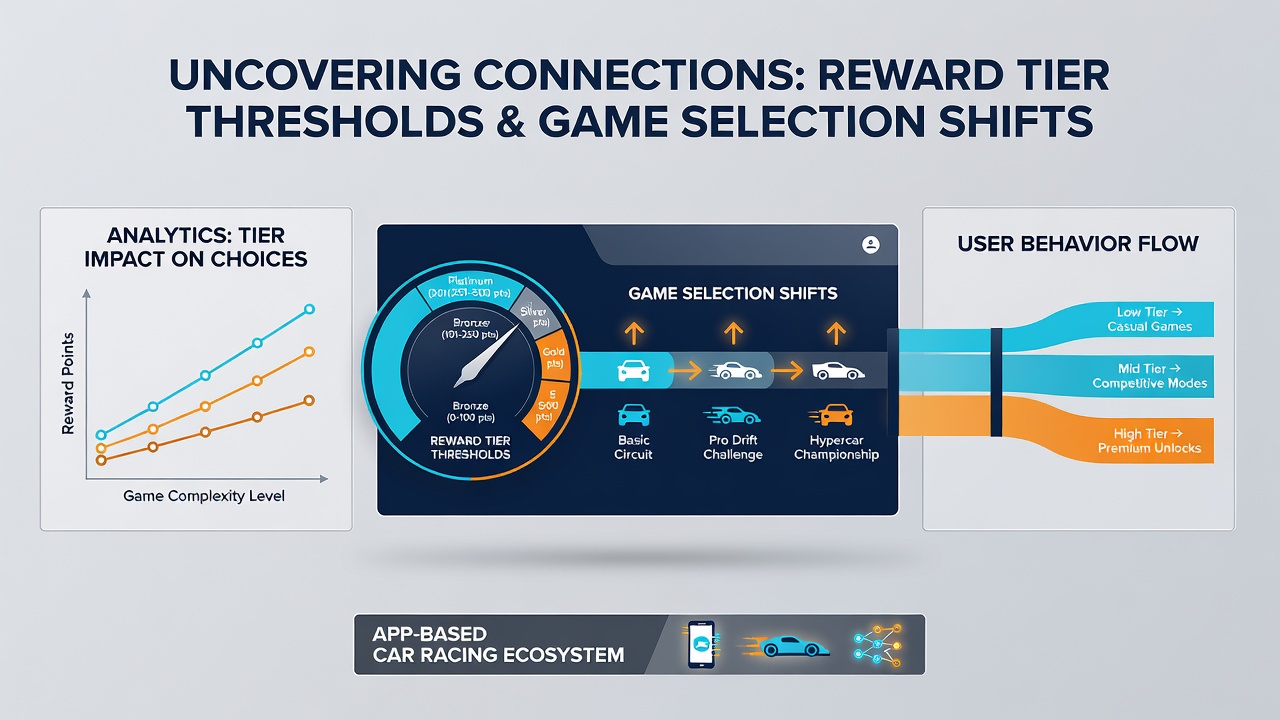
Additional variables include time-of-day effects and device type. Evening sessions on tablets show stronger card game uptake among gold-tier users, while smartphone sessions during commuting hours retain higher reel engagement regardless of tier. A study conducted by the University of Sydney's Gambling Research Unit examined 14,000 anonymized mobile accounts and confirmed that device screen size interacts with tier status to influence format selection, with larger screens correlating to longer card game sessions once players surpass bronze thresholds.
Platform Adjustments and Regulatory Context
Operators respond to these patterns by recalibrating point-earning rates on specific titles every quarter. Several major apps introduced separate tier tracks for card and reel play during spring 2026, allowing users to advance in one category without equivalent progress in the other. Early results from these segmented programs show a further 6 percent lift in card game time among participants who previously split activity evenly. Regulators in multiple jurisdictions continue to monitor whether such segmentation affects responsible gambling metrics, yet public summaries through August 2026 have not flagged statistically significant increases in session length or deposit frequency tied to the changes.
Cross-platform comparisons reveal that apps emphasizing live dealer card tables experience faster tier-driven migration away from reels than those focused on virtual card implementations. The difference appears linked to social features and real-time interaction that operators promote more heavily once users reach higher reward levels. Industry reports compiled by the European Gaming and Betting Association document parallel trends across several EU markets where live dealer penetration on mobile grew steadily alongside tier-based incentive structures.
Conclusion
Thresholds embedded in reward programs continue to correlate with measurable redistribution of play time between app-based card and reel formats. Telemetry from 2026 shows consistent directional shifts once players advance past initial tiers, supported by both operator data and regulatory filings from multiple regions. Continued observation through the remainder of the year will clarify whether segmented tier tracks accelerate or moderate these movements across broader user bases.