Tracing Virtual Reality Adaptations in Mobile Table Game Mechanics Across Emerging Markets
Written by Taylor Neumann · Aug 2, 2026
Tracing Virtual Reality Adaptations in Mobile Table Game Mechanics Across Emerging Markets
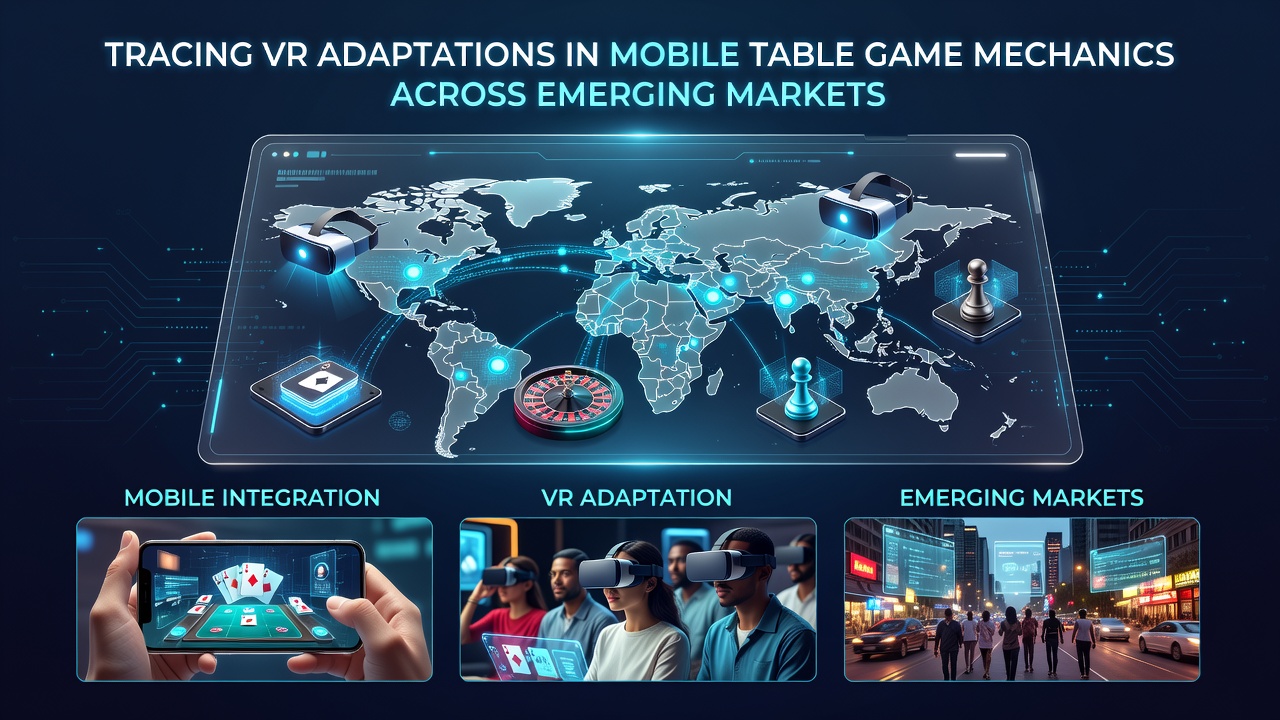
Developers began integrating virtual reality components into mobile table game mechanics during the early 2020s, with initial projects targeting users in regions where smartphone penetration outpaced traditional computing access. These adaptations focused on translating physical table elements such as card dealing, chip placement, and dealer interactions into formats compatible with compact screens and variable network conditions common across Southeast Asia, Latin America, and parts of Africa.
Early Integration Efforts
Research from technology adoption studies shows that mobile table games like blackjack and baccarat received VR enhancements through lightweight rendering engines that reduced latency on mid-range devices, while data from industry reports indicates adoption rates climbed steadily as 5G infrastructure expanded in urban centers of India and Brazil by 2024. Observers note that these early efforts prioritized gesture-based controls over full headset requirements, allowing players to engage with simulated environments through phone cameras and motion sensors rather than dedicated equipment.
Mechanical Adaptations for Mobile Devices
Table game mechanics underwent specific modifications to accommodate mobile hardware limitations, including simplified physics calculations for virtual chips and cards that maintained fairness standards while lowering data usage. Engineers introduced hybrid AR-VR modes where users could project game tables onto real surfaces via device screens, and studies from digital inclusion organizations confirm that such features proved effective in areas with inconsistent electricity supplies because sessions could pause and resume without losing state. What's interesting is how developers adjusted dealer interaction timing to sync with typical mobile data speeds, resulting in smoother sequences that avoided the stuttering reported in earlier desktop VR ports.
Regional Developments in Key Markets
Markets in Southeast Asia demonstrated rapid uptake as local studios partnered with global platforms to localize VR table variants for popular regional preferences, incorporating cultural motifs into virtual environments without altering core probability structures. In Latin American countries, regulatory frameworks encouraged pilot programs that tested these mechanics in licensed mobile applications, and figures from connectivity analyses reveal mobile data traffic dedicated to gaming rose notably between 2023 and 2025. African markets followed with community-driven testing in urban hubs, where shared device models helped distribute access to VR-enabled table games among groups that previously relied on physical venues.
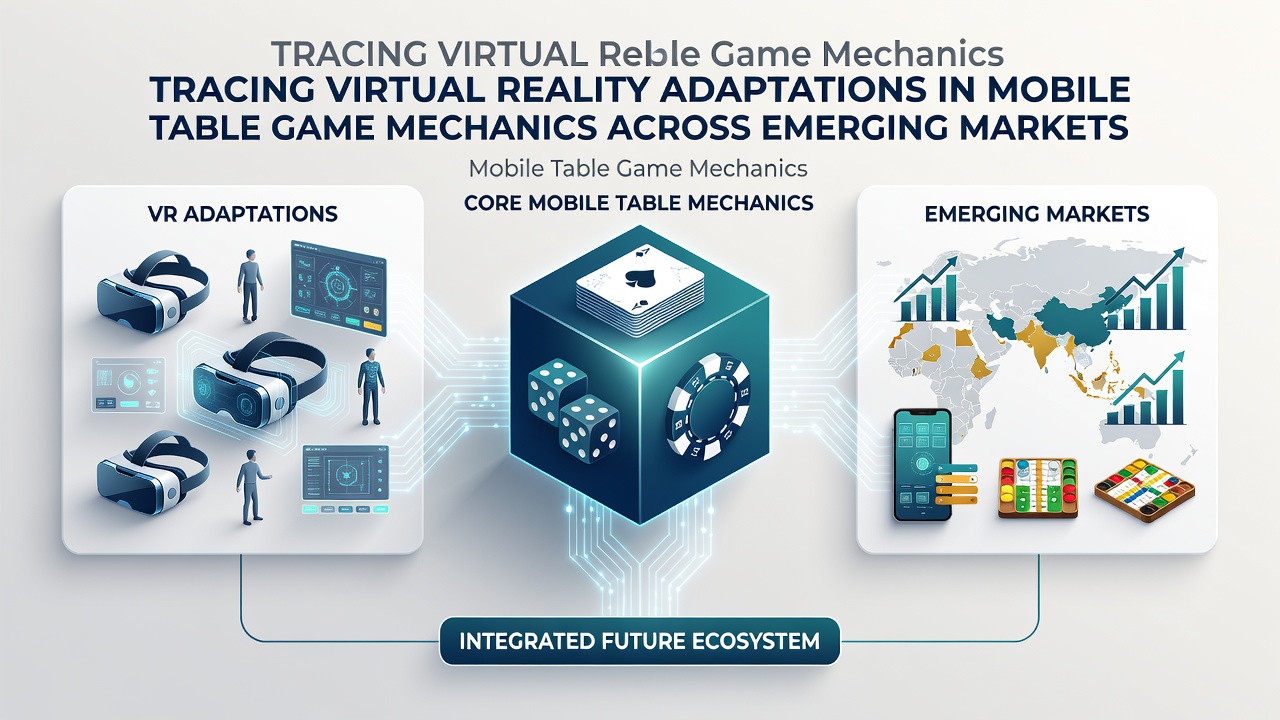
According to GSMA emerging markets analysis, infrastructure investments correlated with increased engagement levels in these adaptations, while parallel data from ITU digital economy tracking highlights how affordability of compatible handsets influenced rollout timelines across different nations.
Challenges and Infrastructure Considerations
Bandwidth constraints and device diversity presented ongoing hurdles that prompted iterative refinements in compression techniques for VR assets, allowing table game sessions to function reliably even on 3G fallback networks prevalent in rural zones. Those who've examined user behavior patterns report that battery optimization became a priority feature, as extended play sessions drained resources faster when virtual rendering layers activated. Emerging market regulators worked with developers to establish testing protocols that verified mechanical integrity across varied hardware, ensuring adaptations preserved standard game rules while adding immersive layers.
Developments Observed in August 2026
By August 2026 several platforms reported expanded testing of cross-device VR synchronization for mobile table games, with updates focused on reducing motion artifacts during live dealer simulations in markets experiencing seasonal connectivity fluctuations. Data collected during that period showed incremental improvements in session retention rates following the deployment of adaptive bitrate streaming tailored to table game pacing, and regional industry groups documented pilot expansions into additional provinces in both South Asia and sub-Saharan Africa.
Conclusion
Tracing these adaptations reveals a pattern of incremental technical adjustments driven by local infrastructure realities rather than wholesale technology transfers. Continued monitoring of device capabilities and network evolution will shape how mobile table game mechanics incorporate further VR elements in emerging markets, with existing frameworks providing the foundation for future refinements.