The Interplay of Loyalty Structures and Game Type Preferences in Smartphone-Based Entertainment Venues
Written by Erik Krüger · Aug 16, 2026

The Interplay of Loyalty Structures and Game Type Preferences in Smartphone-Based Entertainment Venues
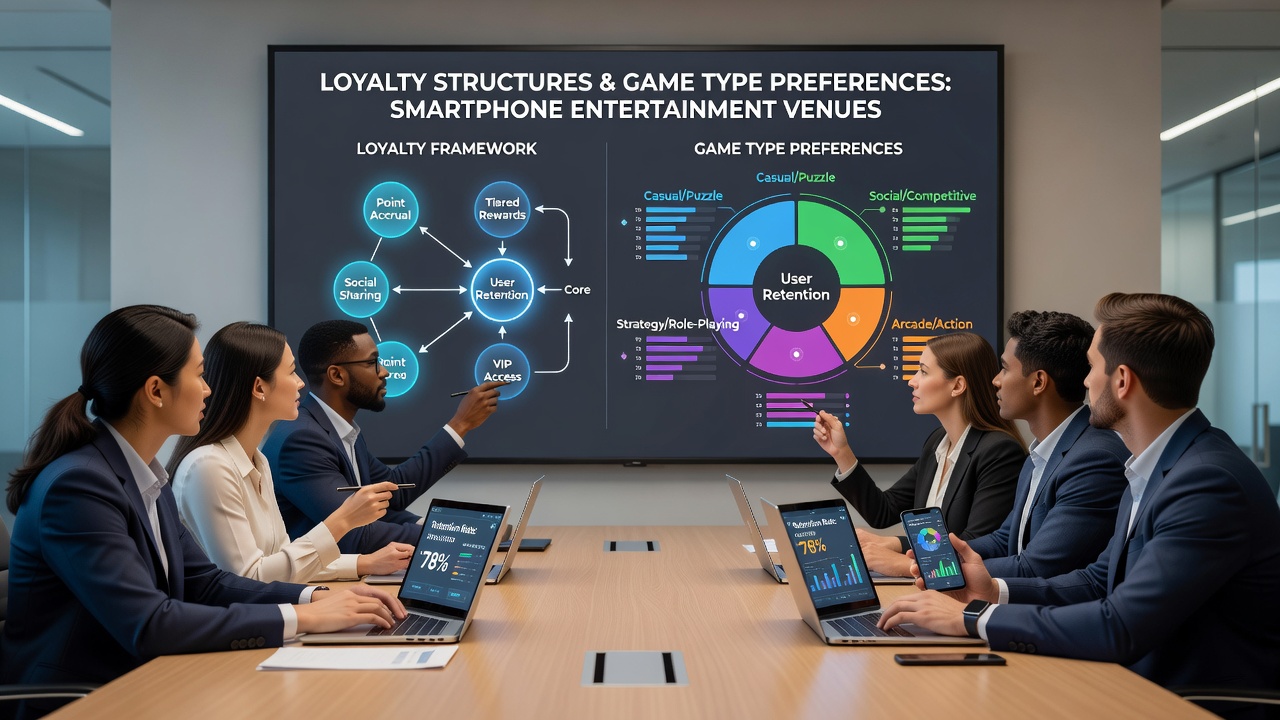
Smartphone-based entertainment venues have developed intricate loyalty structures that tie directly into user selections among different game formats, and data from regulatory filings in August 2026 shows measurable shifts in how these systems guide activity across mobile platforms. Loyalty frameworks in these apps typically accumulate points through wager volume while granting tiered access to rewards, and players respond by favoring game categories that align with point multipliers or progression speed.
Loyalty Mechanics in Mobile Gaming Environments
Operators structure loyalty programs around consistent play metrics such as total bets placed and session frequency, which then translate into status levels that unlock benefits including cashback percentages, accelerated point earnings, and event invitations. Research from the American Gaming Association indicates these tiers often differentiate between casual participants and high-volume users through distinct reward scales, and this segmentation influences daily choices within app interfaces. Points systems frequently assign higher values to certain activities, which creates natural incentives for repeated engagement with specific formats over others.
Users advance through levels by meeting thresholds that reset periodically, and the resulting perks encourage sustained interaction rather than one-off sessions. Observers note that mobile platforms track these metrics in real time, allowing immediate visibility into progress and upcoming rewards that shape immediate game selections.
Common Game Type Categories and Their Characteristics
Smartphone entertainment venues generally divide offerings into slots with reel mechanics, interactive dealer tables featuring live video streams, and standard table simulations without human hosts. Slots often feature rapid spin cycles and variable volatility levels, whereas live dealer options introduce social elements and slower pacing tied to real-time dealer actions. Data shows that reel-based games tend to support higher volume play per session compared to dealer-led formats that require more deliberate decision sequences.
Preferences shift based on session length and device constraints, with many users alternating between quick slot rounds and extended dealer table participation within the same app. Studies from regional gaming authorities reveal that game type selection correlates with time-of-day patterns, and mobile users in different time zones demonstrate distinct clustering around particular formats during peak hours.
How Loyalty Structures Influence Game Preferences
Loyalty point allocation often favors formats with higher house-edge margins or faster transaction rates, which leads participants to gravitate toward slots when seeking rapid tier advancement. Yet some programs apply uniform earning rates across categories, and this neutrality allows other factors such as bonus eligibility to steer choices toward live dealer sessions during promotional windows. Reports compiled by the Nevada Gaming Control Board document these dynamics through aggregated player data, and the patterns indicate that reward structures can override initial format preferences when tier benefits become accessible.
Seasonal adjustments to loyalty multipliers appear in August 2026 filings, and these temporary boosts coincide with increased activity in whichever game type receives the temporary enhancement. Players who monitor point rates closely adjust their routines accordingly, moving between categories to optimize accumulation without altering overall spend levels.
Regional Data Patterns and Platform Variations
Analytics from multiple jurisdictions demonstrate that loyalty-driven preferences vary by market maturity, with newer smartphone venues showing stronger correlations between tier status and slot volume while established platforms exhibit more balanced distribution across live dealer options. Academic analyses from institutions tracking digital gambling behaviors confirm that reward visibility within apps amplifies these effects, and users with higher status levels maintain engagement across multiple game types to preserve accumulated benefits.
Payment integration choices further intersect with these patterns, since loyalty points sometimes convert into deposit bonuses that apply differently depending on the selected game category. Figures from industry monitoring groups reveal consistent links between VIP progression speed and format diversification, particularly when cross-category challenges appear in loyalty calendars.
Conclusion
Loyalty structures in smartphone-based entertainment venues function as active guides that shape game type preferences through point systems, tier benefits, and promotional alignments. Available data from August 2026 and earlier periods illustrates how these mechanisms operate across different formats, and continued tracking by regulatory bodies will clarify long-term effects on user behavior patterns. Platforms that adjust reward parameters continue to influence daily selections as participants respond to visible incentives within their apps.