Shifting funding preferences reshape reward sequencing patterns in handheld live table sessions and reel challenges
Written by Taylor Neumann · Aug 13, 2026
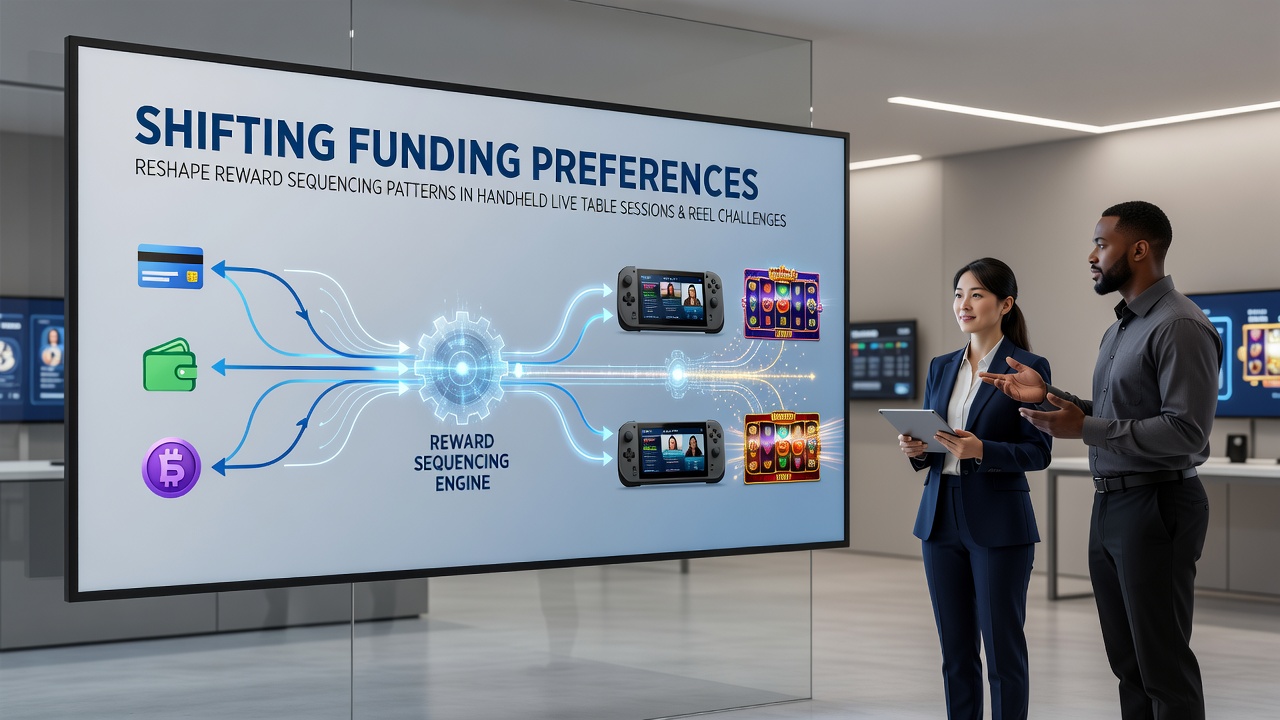
Shifting funding preferences reshape reward sequencing patterns in handheld live table sessions and reel challenges
Payment method trends have begun altering how operators structure reward sequences in mobile live dealer environments and slot-based reel challenges throughout 2026, with data indicating accelerated adoption of digital wallets and cryptocurrency options that prioritize faster transaction cycles over traditional card-based funding. Observers note that these preferences influence the timing and distribution of bonuses, free spins, and multiplier triggers across handheld sessions, particularly as players shift away from slower processing methods.
Payment method evolution and operator adjustments
Industry reports from August 2026 show rising use of instant funding tools in portable gaming platforms, where users complete deposits through e-wallets or blockchain networks before engaging with live tables or reel sequences. This change prompts developers to recalibrate reward triggers so that sequences align with quicker funding confirmations, allowing operators to release progressive bonuses immediately after transaction verification rather than after multi-day holds associated with older methods.
Those tracking mobile casino metrics have documented how funding source selection now correlates with specific reward patterns, including sequenced free spin activations in reel challenges that unlock only after certain deposit thresholds are met via preferred channels. Similar adjustments appear in live table sessions, where dealer-led games incorporate timed reward intervals that match teh speed of digital wallet clearances.
Effects on live table reward flows
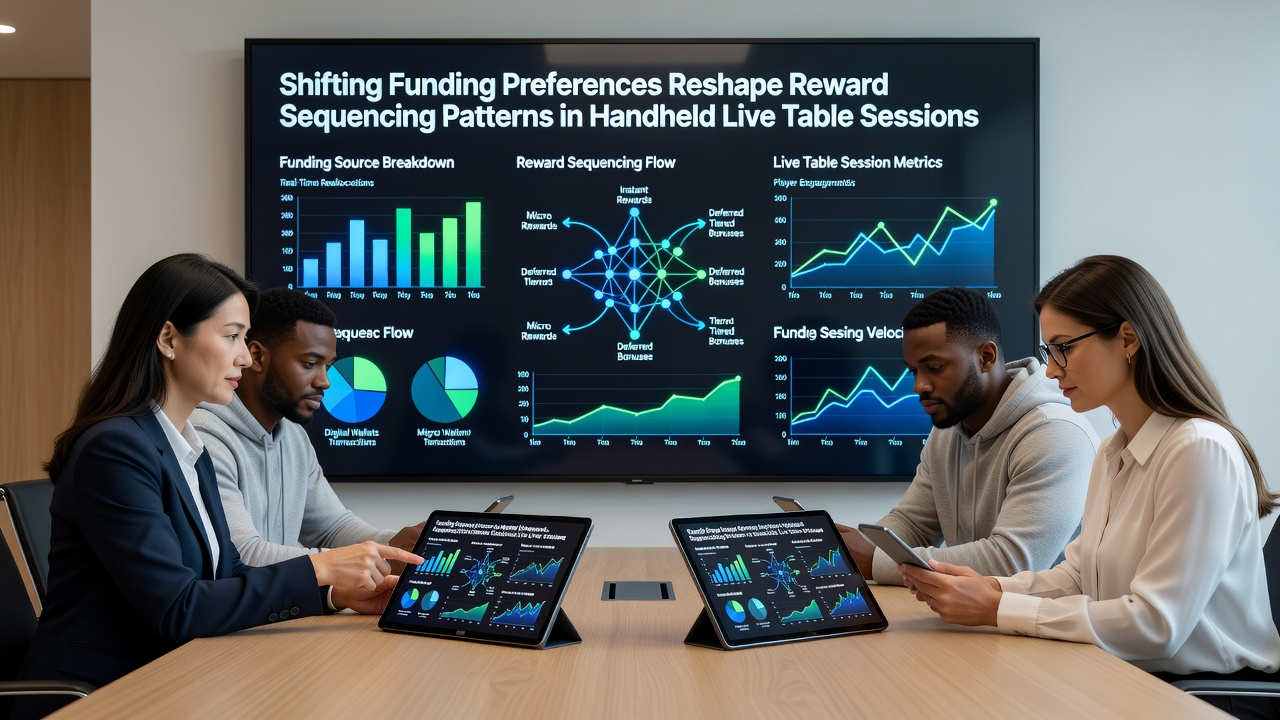
Live dealer blackjack and roulette sessions on handheld devices exhibit modified sequencing when players fund accounts through rapid methods, as operators introduce staggered bonus releases that activate during active rounds. Research indicates these patterns reduce latency between deposit and reward availability, enabling participants to apply multipliers or cashback offers within the same session rather than waiting for batch processing.
According to figures from the Nevada Gaming Control Board, mobile live table engagement volumes rose notably in early 2026 alongside increased digital funding activity, prompting platforms to embed reward sequences that respond dynamically to transaction velocity. Players who select instant options often encounter earlier access to loyalty tier benefits during ongoing dealer interactions.
Reel challenge sequencing modifications
Slot-style reel challenges on portable devices display parallel shifts, where funding preferences determine the order and frequency of bonus round entries. Data from regional gaming authorities reveals that cryptocurrency-backed deposits correlate with accelerated sequencing of cascading reel features and multiplier ladders, allowing sessions to progress through reward stages at a faster pace than those funded by conventional cards.
Analysts at the American Gaming Association have tracked these developments, noting that operators now embed conditional triggers tied to funding type so that reel sequences unlock additional free spin phases or jackpot qualifiers immediately upon confirmation. This approach maintains session continuity while matching player expectations for prompt reward delivery in mobile environments.
Regional data and timing considerations
Global patterns emerging in August 2026 highlight variations across markets, with Asian operators reporting stronger integration of digital funding into mobile live table reward flows compared to North American counterparts still transitioning systems. European platforms show intermediate adoption rates, where sequenced rewards in reel challenges adjust based on local regulatory timelines for transaction approvals.
Studies from academic institutions such as the University of Nevada, Las Vegas, document how these funding-driven changes affect overall player retention metrics, as faster reward sequencing sustains engagement across both live dealer tables and reel formats without extending session lengths artificially.
Conclusion
Shifts in funding preferences continue to drive structural updates to reward sequencing in handheld live table sessions and reel challenges, with operators adapting systems to accommodate faster digital methods observed throughout 2026. These adjustments reflect broader industry responses to transaction speed demands while maintaining compliance with regional oversight frameworks. Continued monitoring of payment trends will likely reveal further refinements in how rewards distribute across mobile gaming formats.