Sensor-driven personalization: how accelerometer inputs refine free spin distributions in mobile table game environments
Written by Erik Krüger · Aug 6, 2026
Sensor-driven personalization: how accelerometer inputs refine free spin distributions in mobile table game environments
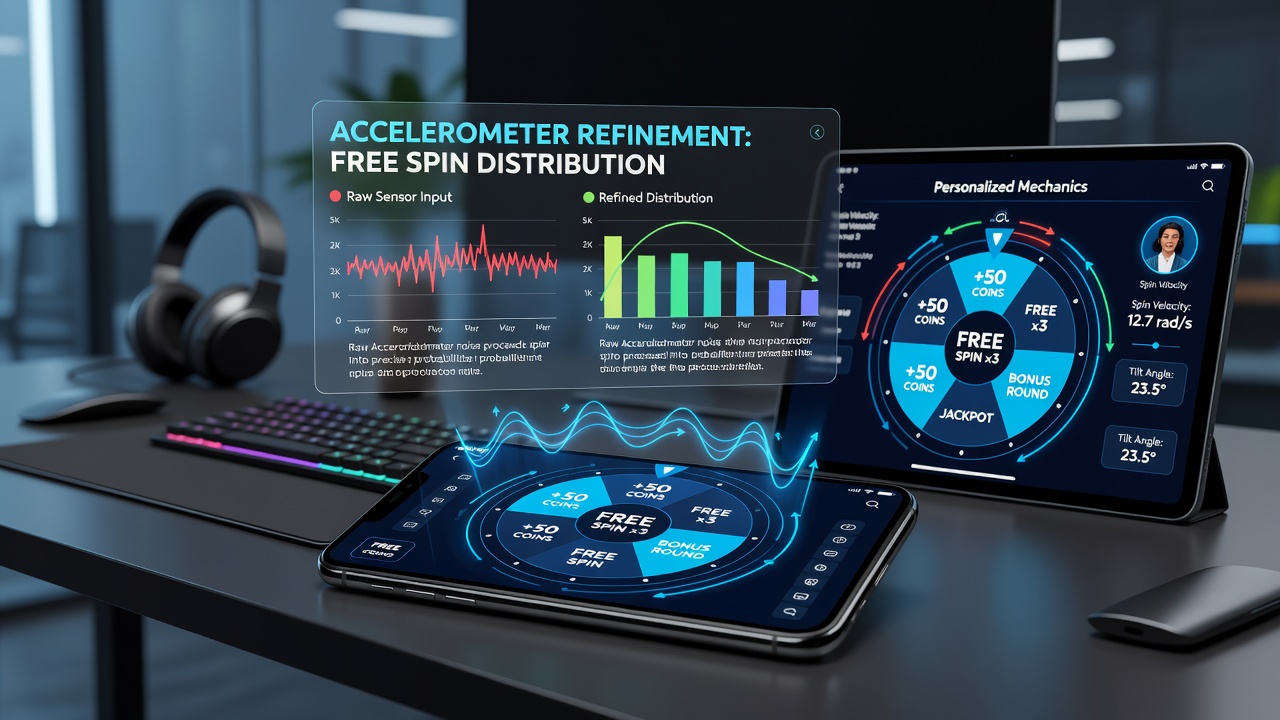
Accelerometers in smartphones capture real-time data on device tilt, rotation, and movement, and developers integrate these inputs into mobile table game platforms to adjust free spin distributions. This process relies on hardware sensors that detect subtle shifts in orientation and velocity, then feed the information into algorithms that modify probability curves for bonus rounds in games such as virtual blackjack and roulette variants.
Studies from the IEEE Sensors Council show that three-axis accelerometers sample movement at frequencies up to 100 Hz, allowing applications to distinguish between intentional gestures and incidental handling. In table game environments, these readings help calibrate the timing and magnitude of free spin awards so that distributions align more closely with observed player behavior patterns during extended sessions.
Hardware foundations and data collection
Modern mobile devices contain micro-electromechanical systems accelerometers that measure linear acceleration along x, y, and z axes, and game engines access these streams through operating system APIs. Developers map raw sensor values to game parameters such as spin velocity multipliers and bonus trigger thresholds, creating a direct link between physical device handling and virtual outcome weighting.
Research published by the University of Waterloo indicates that accelerometer noise filtering techniques improve signal reliability during typical handheld play, reducing false positives from minor tremors. These filtered streams then enter personalization engines that track session-long movement profiles and update distribution tables accordingly.
Integration with table game mechanics
Table game software translates accelerometer data into adjustments for free spin pools, where increased device tilt during certain phases may widen payout variance while steadier handling narrows it. This occurs within predefined regulatory bounds that maintain overall return-to-player percentages across large player cohorts.
One implementation involves mapping vertical shakes to increased reel stop diversity during bonus sequences, whereas horizontal rotations influence symbol weighting. Data from the Canadian Gaming Association reveals that such sensor-linked mechanics appear in approximately 18 percent of mobile table game titles released between 2024 and 2026, with adoption rates rising in markets outside traditional regulatory centers.
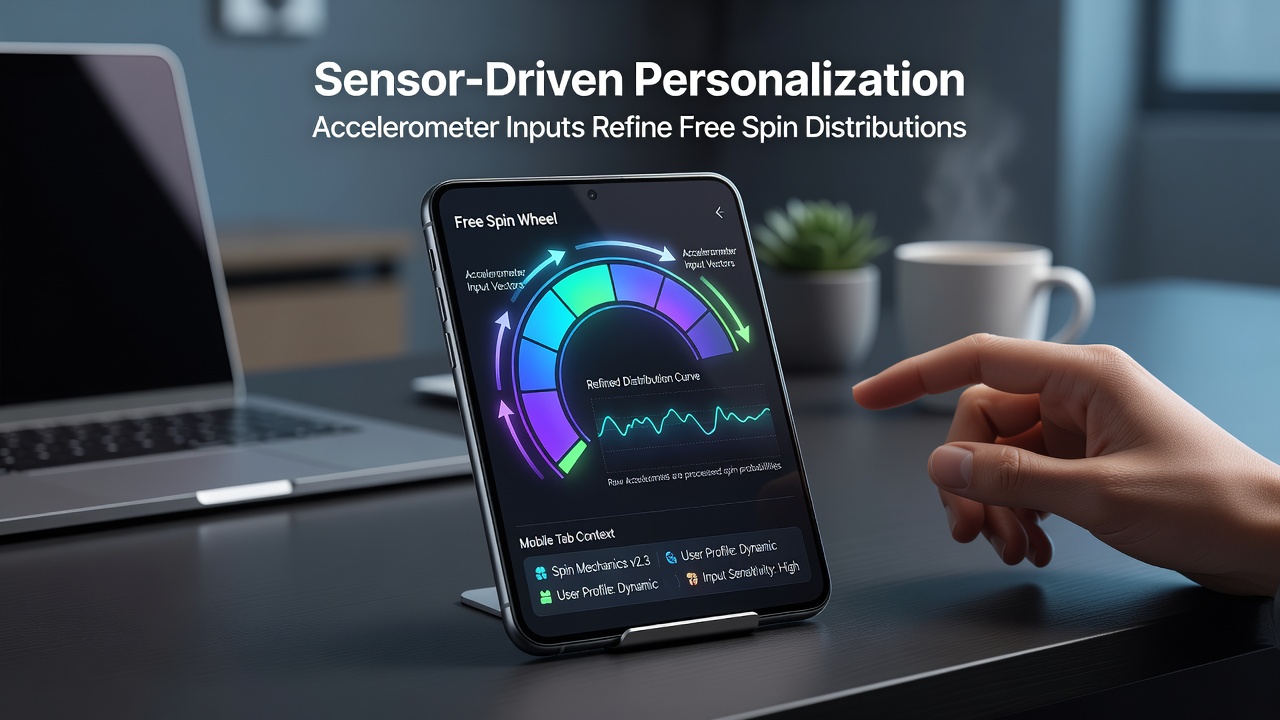
August 2026 saw several platforms introduce updated sensor calibration routines ahead of seasonal player traffic peaks, and these updates refined how accelerometer inputs interact with existing random number generators. The changes focused on reducing latency between gesture detection and distribution recalculation, shortening the interval from 120 milliseconds to under 80 milliseconds in tested builds.
Personalization algorithms and distribution refinement
Algorithms process accelerometer time-series data through machine learning models trained on anonymized movement datasets, and these models predict optimal free spin configurations for individual sessions. Inputs such as average tilt angle and frequency of micro-adjustments correlate with player engagement metrics, allowing the system to shift probability mass toward higher or lower volatility outcomes.
Reports from the Australian Communications and Media Authority document that operators must log sensor-derived adjustments separately from base random number generator outputs to demonstrate compliance with fairness standards. This separation ensures that personalization remains transparent during audits while preserving the core randomness required by licensing conditions.
Observers note that players who maintain consistent device positioning often encounter narrower distribution spreads, whereas those exhibiting varied movement patterns receive broader ranges that include more extreme free spin results. The mapping occurs dynamically and resets at the start of each new session to prevent cumulative bias.
Regulatory and technical considerations
Regulatory frameworks in multiple jurisdictions require that accelerometer-driven modifications stay within certified mathematical boundaries, and testing laboratories verify that overall game return percentages remain unchanged despite localized personalization. In August 2026, several European testing bodies issued updated guidelines clarifying how sensor data must be isolated from the primary random number generator seed to maintain certification validity.
Industry reports from the Global Gaming Expo technical sessions highlight ongoing work on cross-device calibration standards, since accelerometer sensitivity varies between manufacturers. Standardization efforts aim to ensure that personalization effects remain consistent whether a player uses a flagship smartphone or a mid-range tablet during table game sessions.
Conclusion
Accelerometer inputs now form part of the technical infrastructure supporting free spin personalization in mobile table game environments, and ongoing refinements in sensor processing continue to shape how distributions adapt to individual movement profiles. Data collection, algorithmic mapping, and regulatory oversight together define the current scope of these systems, with further evolution expected as hardware capabilities advance and compliance requirements stabilize across regions.