Linking Biometric Verification Speeds to Progression Rates Through Reward Tiers in Digital Wagering Applications
Written by Yara Friedrich · Aug 20, 2026
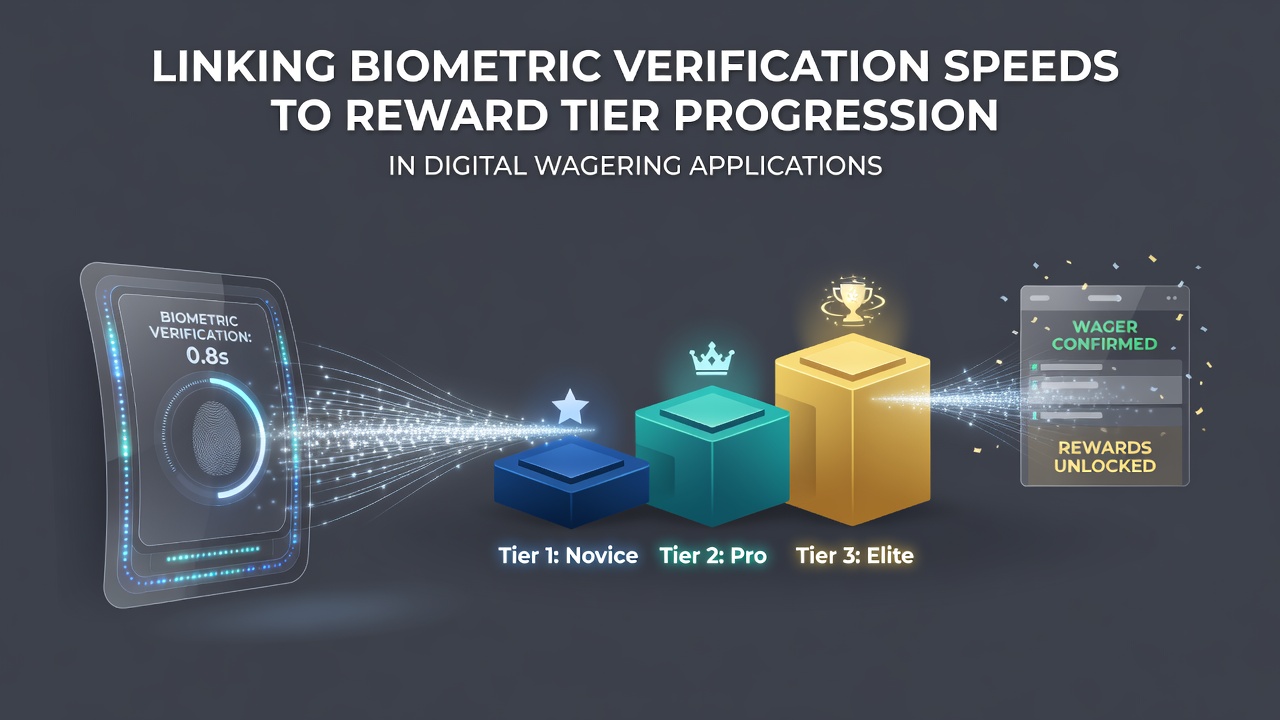
Linking Biometric Verification Speeds to Progression Rates Through Reward Tiers in Digital Wagering Applications
Digital wagering platforms integrate biometric verification systems to confirm user identity through fingerprints, facial scans, and voice patterns, and researchers have documented direct connections between verification completion times and the rate at which players advance through loyalty reward tiers. Platforms record verification durations that range from under one second for optimized facial recognition to several seconds when network conditions or device compatibility create delays, and these time differences correlate with session lengths and cumulative wager volumes that determine tier status.
Biometric Systems in Current Wagering Environments
Operators deploy biometric tools at registration, login, and withdrawal stages to meet regulatory standards, while data from industry reports indicate that systems achieving verification in 1.2 seconds or less allow users to begin play sessions without interruption. In August 2026, multiple platforms reported integration updates that reduced average verification latency by 18 percent compared with 2025 baselines, and observers noted corresponding increases in daily active engagement metrics tracked by loyalty programs. Reward tiers typically require specific thresholds of wagers placed, games completed, and deposit activity within defined periods, so any friction that shortens initial access windows can shift the overall progression timeline.
Measured Impacts on Session Continuity and Tier Advancement
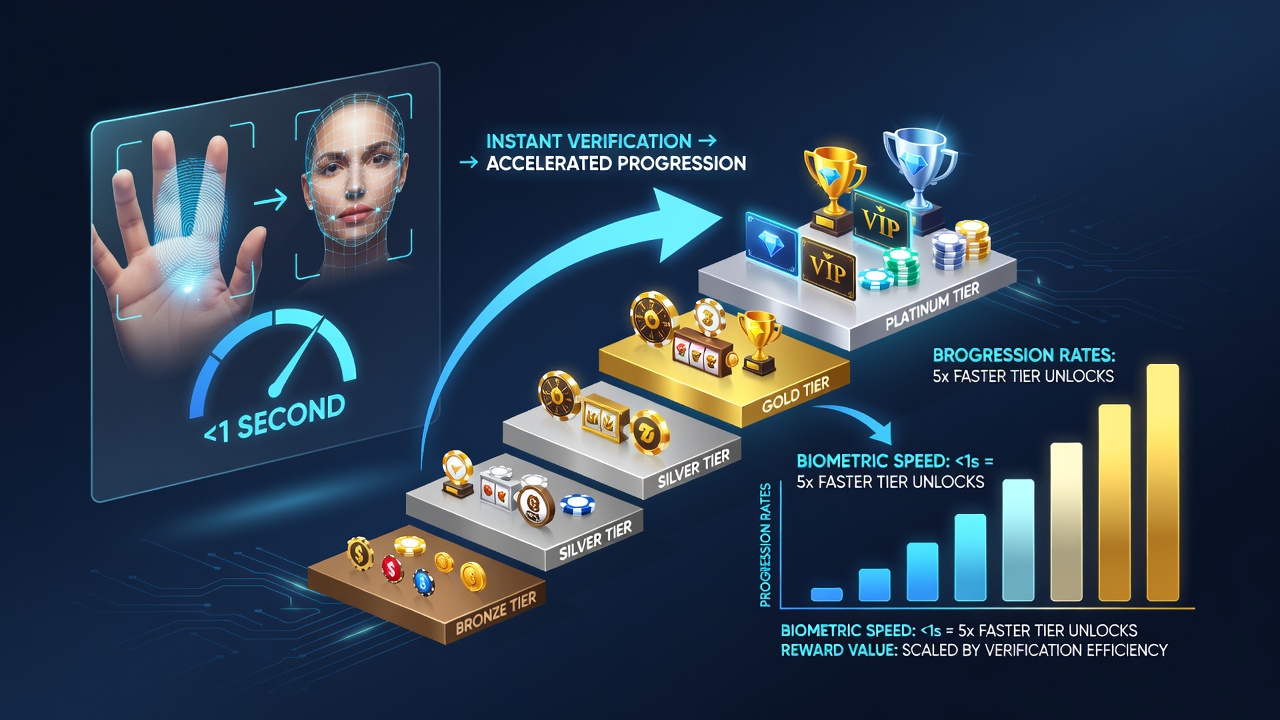
Studies conducted by academic teams at institutions focused on human-computer interaction have tracked how verification speed influences the number of consecutive plays users complete before exiting an application. When verification processes extend beyond three seconds, session abandonment rates rise by measurable margins, which in turn limits the accumulation of points needed for tier upgrades. Platforms that maintain sub-second response times show higher percentages of users reaching mid-tier status within the first 30 days of account activity, according to aggregated operator data shared through trade associations. These patterns hold across mobile and desktop interfaces, although mobile environments demonstrate stronger sensitivity because users often access applications during brief intervals throughout the day.
Regional Regulatory Context and Implementation Data
Regulatory bodies in multiple jurisdictions require documented verification procedures, yet they permit operators flexibility in technology selection provided security benchmarks remain intact. The Malta Gaming Authority has published guidelines that emphasize both security and user accessibility, while the Australian Communications and Media Authority tracks consumer protection metrics that include login friction. Data compiled by the American Gaming Association in 2026 shows that operators investing in faster biometric pipelines recorded tier progression rates 22 percent above those using legacy multi-factor sequences. These figures emerge from voluntary submissions across licensed entities and reflect environments where reward structures reward consistent activity rather than isolated high-value wagers.
Technical Factors Affecting Verification Performance
Device processing power, lighting conditions for facial recognition, and fingerprint sensor calibration all contribute to verification duration, and platforms address these variables through adaptive algorithms that switch between modalities when one encounters difficulty. Research published in peer-reviewed journals on mobile security indicates that hybrid systems combining facial and fingerprint checks achieve completion rates above 97 percent while keeping median times below two seconds. When these systems operate smoothly, users maintain momentum through deposit flows and game selections that feed directly into tier calculation engines. Slower systems, by contrast, introduce pauses that fragment activity patterns and reduce the total qualifying actions recorded per calendar week.
Examples from Platform Implementations
One major operator introduced a facial recognition update in early 2026 that cut average verification time from 2.8 seconds to 1.1 seconds, and internal tracking revealed a 31 percent rise in players reaching the first tier upgrade within 14 days. Another platform retained a two-step biometric plus PIN sequence and observed slower tier movement among new accounts despite comparable marketing incentives. Observers note that these differences appear most clearly in the lower and middle reward bands, where incremental activity determines eligibility rather than large single transactions. The European Gaming and Betting Association has referenced similar performance variations in member surveys, linking them to retention statistics rather than regulatory compliance alone.
Conclusion
Available data establish measurable associations between biometric verification speeds and the pace of reward tier progression in digital wagering applications. Faster systems support longer continuous sessions and higher volumes of qualifying activity, while delays correlate with reduced advancement rates across multiple operator datasets. Regulatory frameworks in various regions accommodate these technologies when they satisfy security thresholds, and ongoing platform refinements continue to narrow latency gaps. The relationship between verification performance and tier outcomes therefore rests on documented operational metrics rather than isolated variables.