Interface Designs Directing Player Strategies Through Mobile Loyalty Programs in Reels and Tables
Written by Amir Hayes · Aug 29, 2026
Interface Designs Directing Player Strategies Through Mobile Loyalty Programs in Reels and Tables
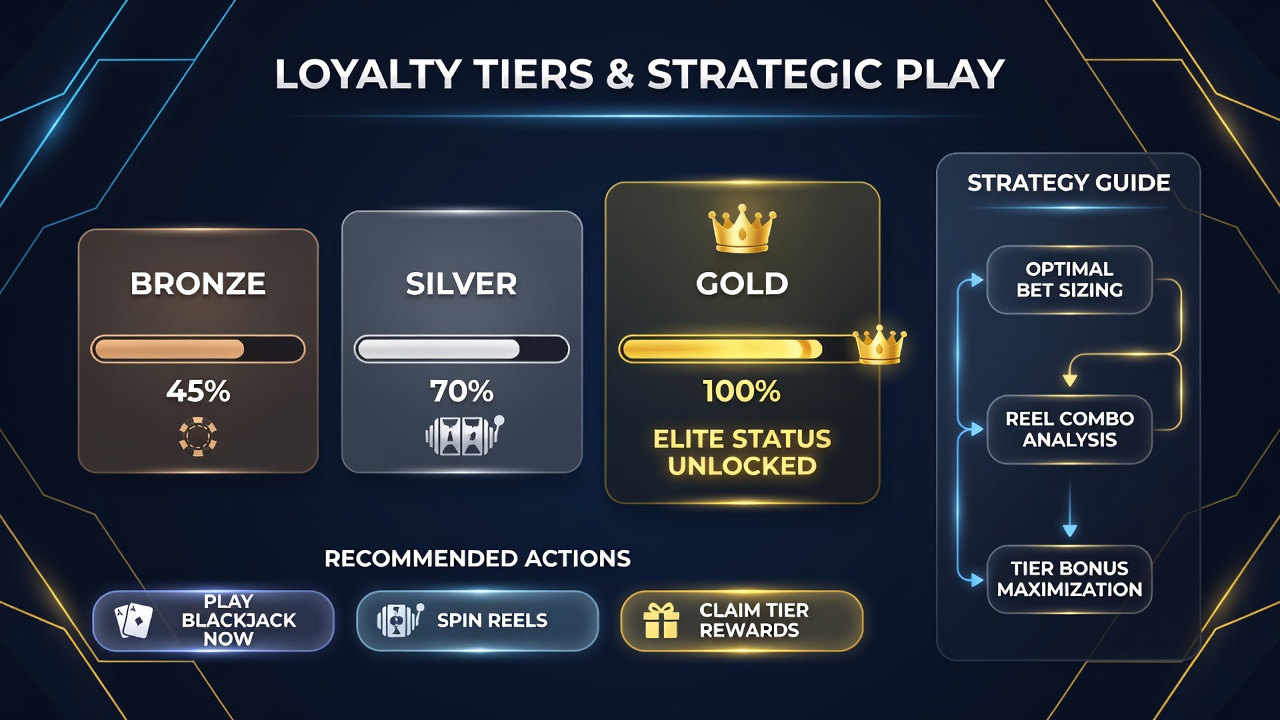
Interface elements in mobile casino applications now incorporate loyalty tier markers that adjust visual feedback and option availability based on player status levels, and these adjustments apply across both reel-based games and interactive table formats. Data from industry tracking shows that operators segment users into bronze, silver, gold, and platinum categories, with each level triggering distinct display changes such as highlighted bet multipliers, accelerated bonus meters, and tier-specific shortcut menus that appear during active sessions.
Loyalty Tier Structures in Mobile Environments
Platform developers integrate tier indicators directly into the main game screens, and these markers update in real time as players accumulate points from wagers on reels or table games. Bronze users encounter standard layouts with basic progress bars, whereas silver and higher tiers receive additional overlays that display upcoming rewards and alternate strategy paths available only at those levels. Reports compiled through August 2026 indicate that mobile sessions lasting over thirty minutes show a measurable increase in tier progression when interface prompts guide users toward specific reel combinations or table betting patterns.
Visual Cues for Reel Games Across Tiers
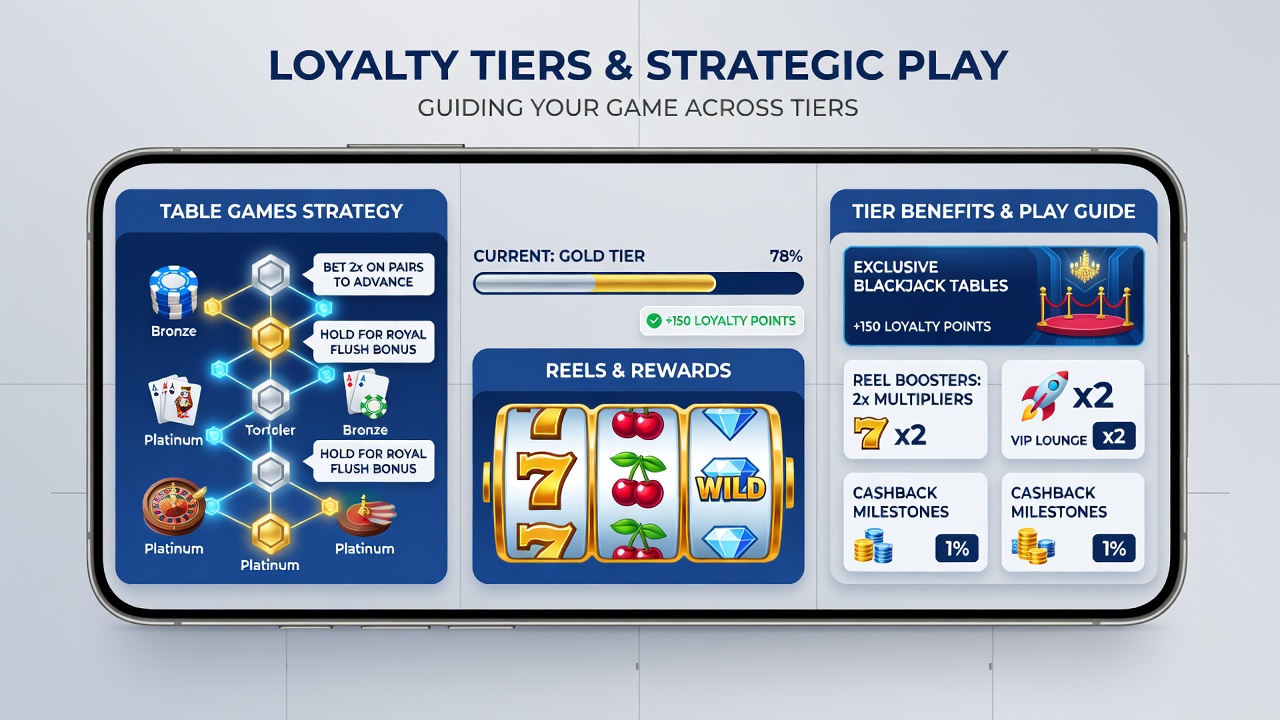
Reel interfaces adjust symbol highlighting and spin speed options according to loyalty status, and platinum users gain access to preview windows that outline potential cascade sequences before each spin activates. Gold tier displays feature persistent counters for free spin accumulations that remain hidden from lower levels, while silver interfaces introduce color-coded wild symbol indicators that align with current point totals. Observers note that these layered visuals connect directly to play history, allowing the system to surface reel strategies that match the player's accumulated data without requiring separate menu navigation.
Additional elements include swipe-responsive control panels that resize based on tier, and higher-status users receive expanded panels that include quick-select options for volatility settings. These modifications appear consistently across multiple operators, and tracking data reveals that reel sessions among gold and platinum users incorporate more frequent use of the advanced controls compared with bronze accounts.
Table Game Interface Adaptations by Status Level
Live dealer tables integrate tier badges next to player avatars, and these badges unlock different decision timers along with customized strategy suggestion panels that appear during blackjack or roulette rounds. Silver users see simplified hit and stand recommendations that update with each card dealt, while gold and platinum interfaces add probability overlays tied to the specific table rules in use. The system refreshes these elements automatically as loyalty points increase, and users in higher tiers encounter fewer default prompts because the interface assumes greater familiarity with optimal play sequences.
Strategic Guidance Mechanisms and Data Patterns
Developers embed conditional logic into the interfaces so that reel and table recommendations scale with loyalty progression, and studies from the American Gaming Association document how these changes correlate with session length and wager volume across regions. In August 2026, several platforms introduced unified dashboards that merge reel and table data into single loyalty summaries, allowing players to view cross-game progression without switching applications. The New Jersey Division of Gaming Enforcement has recorded corresponding rises in documented mobile activity during periods when such unified interfaces rolled out.
Users at elevated tiers also encounter dynamic tooltips that reference past decisions on similar games, and these tooltips draw from anonymized aggregate data rather than individual histories in compliance with privacy standards. The result is a feedback loop where interface elements reinforce strategic adjustments without explicit instruction, and platform analytics show that gold tier players adjust bets more frequently when these contextual prompts appear.
Integration of Payment and Reward Indicators
Payment selection screens now embed loyalty tier filters that highlight deposit methods linked to faster reward crediting for higher-status accounts, and these filters connect directly to both reel bonus eligibility and table game rake adjustments. Interface designers position these elements at the top of transaction flows, ensuring that platinum users encounter fewer confirmation steps when moving between game types. Data compiled by the Canadian Gaming Association indicates that such streamlined pathways correspond with increased cross-game movement among loyalty members during the first half of 2026.
Conclusion
Mobile interfaces continue to evolve by embedding loyalty tier logic into core gameplay visuals for reels and tables alike. These elements supply tier-specific information and controls that update continuously, and regulatory records along with industry reports confirm ongoing refinement of such systems through the middle of 2026. The design approach links visual feedback, strategic suggestions, and progression tracking into unified flows that operate across different game categories without requiring separate user actions.