How Secure Transaction Layers Shape Credit Accumulation Rates in Portable Game Catalogs
Written by Taylor Neumann · Aug 25, 2026
How Secure Transaction Layers Shape Credit Accumulation Rates in Portable Game Catalogs
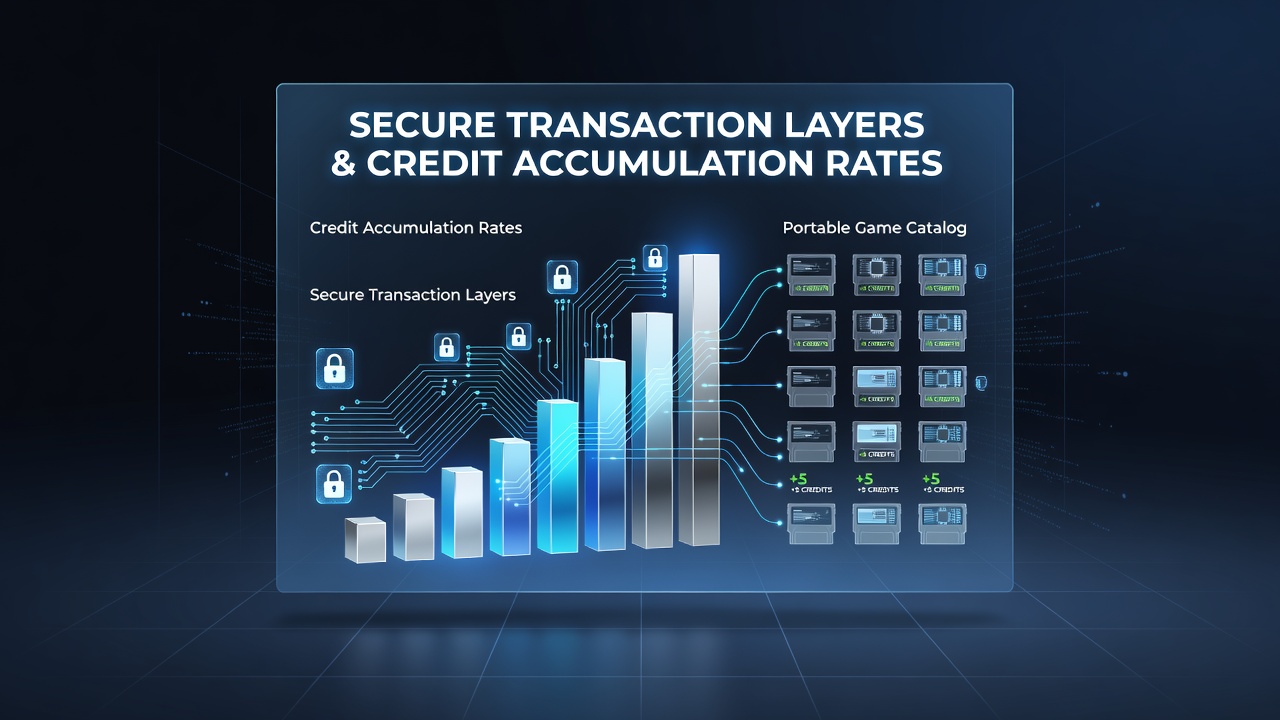
Secure transaction layers in portable game catalogs rely on protocols such as TLS 1.3 and tokenization systems that encrypt data during transfers between user devices and backend servers. These mechanisms process payments and reward distributions while maintaining compliance with regional standards set by bodies including the New Jersey Division of Gaming Enforcement and the Australian Transaction Reports and Analysis Centre. Data from industry reports indicate that implementation of these layers correlates with measurable changes in how quickly users accumulate credits across mobile platforms.
Core Components of Secure Transaction Infrastructure
Encryption standards form the foundation, where each transaction passes through multiple verification stages that include device authentication, session key generation, and real-time fraud screening. Payment processors integrate these steps into application programming interfaces used by game developers, which allows credits to post to user accounts without exposing sensitive card details. Observers note that catalogs employing end-to-end encryption report fewer declined transactions compared with those using older security methods.
Tokenization replaces actual account numbers with unique identifiers that expire after a set period or single use. This approach reduces the risk profile for operators, which in turn influences approval thresholds for larger credit deposits and faster reward redemptions. Research from academic studies on digital payment systems shows that token-based methods shorten processing windows by several seconds per transaction on average.
Impact on Credit Accumulation Timelines
Portable catalogs track credit accumulation through points earned from gameplay, deposit bonuses, and loyalty multipliers. Secure layers affect these rates because verified transactions clear faster, enabling immediate application of promotional credits. When security protocols introduce additional verification steps, however, accumulation can slow during peak load periods when servers queue requests. Figures from transaction monitoring services reveal that optimized systems maintain sub-three-second average clearance times even during high-volume hours in August 2026.
Users often see daily and weekly accumulation caps tied directly to account verification status. Accounts with fully authenticated payment histories receive higher limits, while new or partially verified profiles face temporary restrictions. This tiered structure stems from regulatory requirements that mandate risk-based monitoring, which secure transaction layers help satisfy through continuous data logging and anomaly detection.

Regional Regulatory Influences on Layer Design
North American and European frameworks require documented encryption standards and regular audits that shape how developers configure their transaction pipelines. Canadian provincial regulators, for instance, publish guidelines that tie security certification to licensing renewal, prompting operators to adopt newer protocol versions ahead of deadlines. Similar patterns appear in Asian markets where local authorities emphasize data localization alongside encryption, which adds latency considerations that can indirectly affect credit posting speeds.
These requirements create a feedback loop where stronger security enables higher transaction volumes and therefore greater overall credit flow through the catalog. Industry data compiled by trade associations indicate that platforms passing annual security assessments experience steadier accumulation curves across player segments.
Technical Interactions Between Security and Reward Mechanics
Game catalogs link credit rates to transaction success metrics, so layers that minimize false positives in fraud detection preserve more completed deposits and bonus triggers. Real-time scoring engines evaluate each payment against historical patterns before releasing credits, which means robust encryption and device fingerprinting contribute to smoother progression through loyalty tiers. When systems flag unusual activity, accumulation pauses until manual review completes, demonstrating the direct connection between security depth and reward velocity.
Developers adjust multiplier schedules and time-limited events based on the reliability of their transaction infrastructure. Stable layers support more frequent credit drops without increasing chargeback exposure, while weaker configurations force conservative pacing to stay within acceptable risk parameters.
Conclusion
Secure transaction layers establish the operational boundaries within which credit accumulation occurs in portable game catalogs. Protocol choices, regulatory alignments, and integration quality collectively determine clearance speeds, verification tiers, and reward availability. Data collected through 2026 continues to show that platforms investing in current encryption standards sustain more consistent accumulation patterns across user bases. These systems operate under documented technical and compliance frameworks that link payment security directly to the mechanics of credit tracking and distribution.