How interface layouts steer progression through reward tiers during cross-device transitions between automated reels and host-led sessions
Written by Iris Wagner · Aug 23, 2026
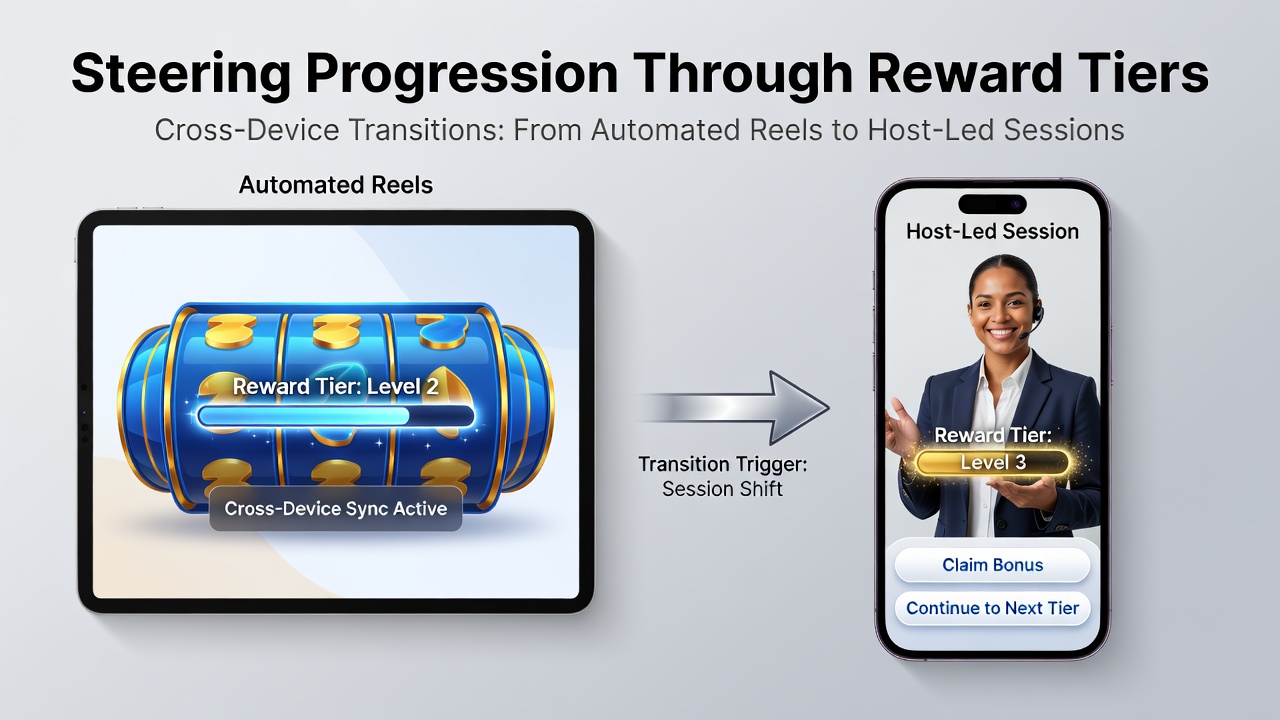
How interface layouts steer progression through reward tiers during cross-device transitions between automated reels and host-led sessions
Interface layouts in digital casino platforms direct player movement through reward tiers when users switch between automated reel games and host-led sessions across devices, and data from platform analytics indicate that visual cues such as progress indicators, quick-access menus, and synchronized login states accelerate point accumulation during these shifts.
Operators design navigation elements to maintain continuity, with studies from the American Gaming Association showing that seamless device handoffs preserve session momentum while tiered loyalty systems track activity across slots and live dealer tables. Layouts often position reward status panels at the top of screens, allowing players to monitor progression without interrupting gameplay, and this placement correlates with higher completion rates for tier milestones according to aggregated usage metrics released in August 2026.
Layout elements that influence tier advancement
Progress bars, notification banners, and tier-specific icons appear consistently across mobile and desktop versions, guiding users toward actions that yield points during transitions from automated reels to interactive host sessions. Automated reel interfaces typically feature compact spin controls alongside floating loyalty meters, whereas host-led environments expand those same meters into sidebar panels that display real-time tier benefits. Observers note that these adaptations reduce friction when players move between formats, enabling continued point collection without manual re-entry of credentials.
Device transitions trigger layout adjustments that highlight eligible rewards, such as bonus spins or table seat priority, and research indicates these prompts increase engagement intervals by prompting immediate follow-up play. For instance, a player completing a reel session on a smartphone may encounter a desktop prompt upon login that converts accumulated points into live table credits, and this mechanism operates through shared backend databases that update tier status instantaneously.
Cross-device synchronization and reward tracking
Platforms employ cloud-based synchronization to carry reward data across devices, with interface designs ensuring that tier progress remains visible during switches between automated and host-led formats. Users who begin on mobile reels often receive layout prompts to continue on larger screens for host sessions, where expanded visuals detail upcoming tier unlocks. Figures from industry reports reveal that such transitions account for measurable portions of monthly point totals in multi-format environments.
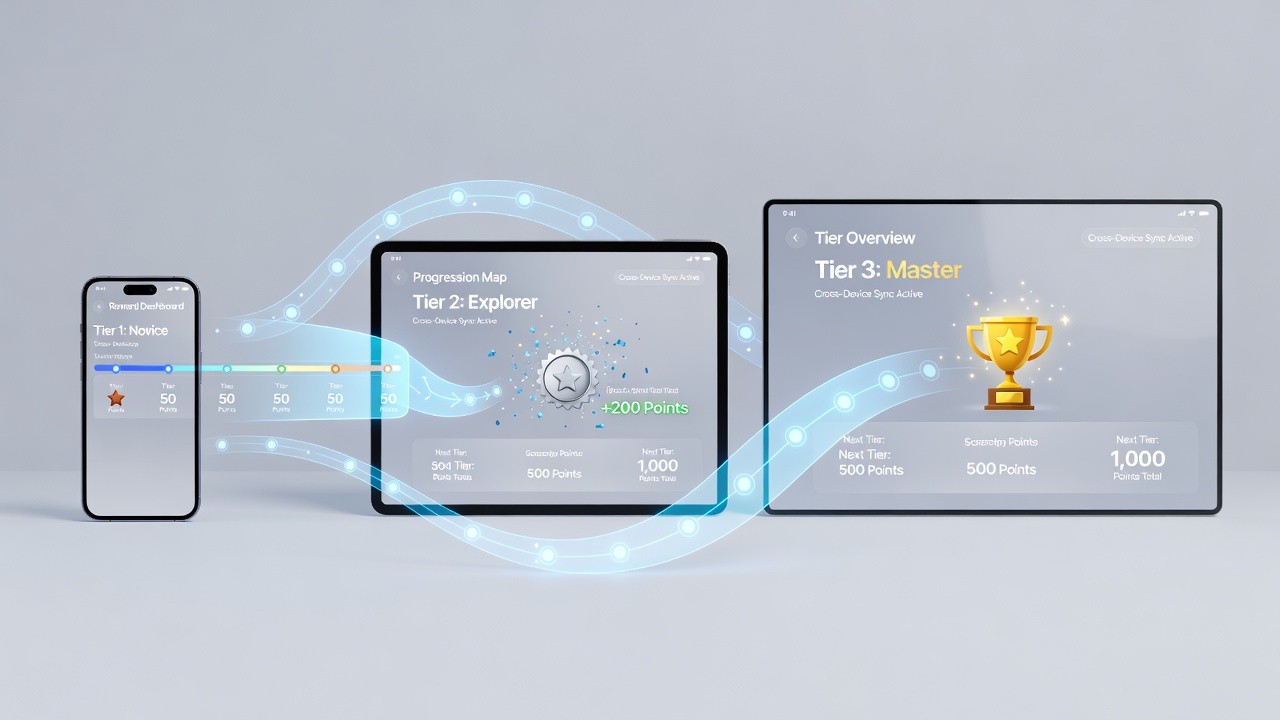
Layout consistency across operating systems supports uninterrupted advancement, while variations in button placement and menu depth reflect format differences between reel automation and live interaction. Those who study player behavior patterns find that centralized reward dashboards reduce drop-off rates when participants change devices mid-session. External factors like network stability also factor into layout responsiveness, yet operators prioritize adaptive designs that scale visual elements to maintain focus on tier objectives.
Format-specific interface adaptations
Automated reel screens emphasize rapid spin repetition alongside tier meters that fill after each round, directing attention toward volume-based progression. Host-led sessions shift emphasis to decision panels that integrate loyalty status with betting options, allowing players to apply tier perks directly during dealer interactions. Data shows these adaptations align interface flow with the distinct pacing of each format, and cross-device continuity ensures that points earned in one mode transfer without delay to the other.
Notification systems embedded in layouts alert users to tier thresholds during transitions, and examples from platform logs demonstrate that targeted prompts coincide with accelerated advancement in reward structures. Layouts further incorporate collapsible menus that preserve screen space on smaller devices while expanding on desktops to reveal detailed tier pathways. Such features operate uniformly across regions where regulatory frameworks permit digital casino operations.
Conclusion
Interface layouts function as navigational tools that connect automated reel play with host-led sessions through consistent reward visibility and synchronized transitions, and ongoing platform updates in August 2026 continue to refine these elements based on usage data. Tier progression remains tied to layout decisions that prioritize accessibility across devices, supporting sustained activity in both game formats without requiring separate tracking methods.