How Currency Fluctuation Timelines Shift Bonus Allocation Patterns in Cross-Border Digital Wagering Platforms
Written by Amir Hayes · Jul 30, 2026
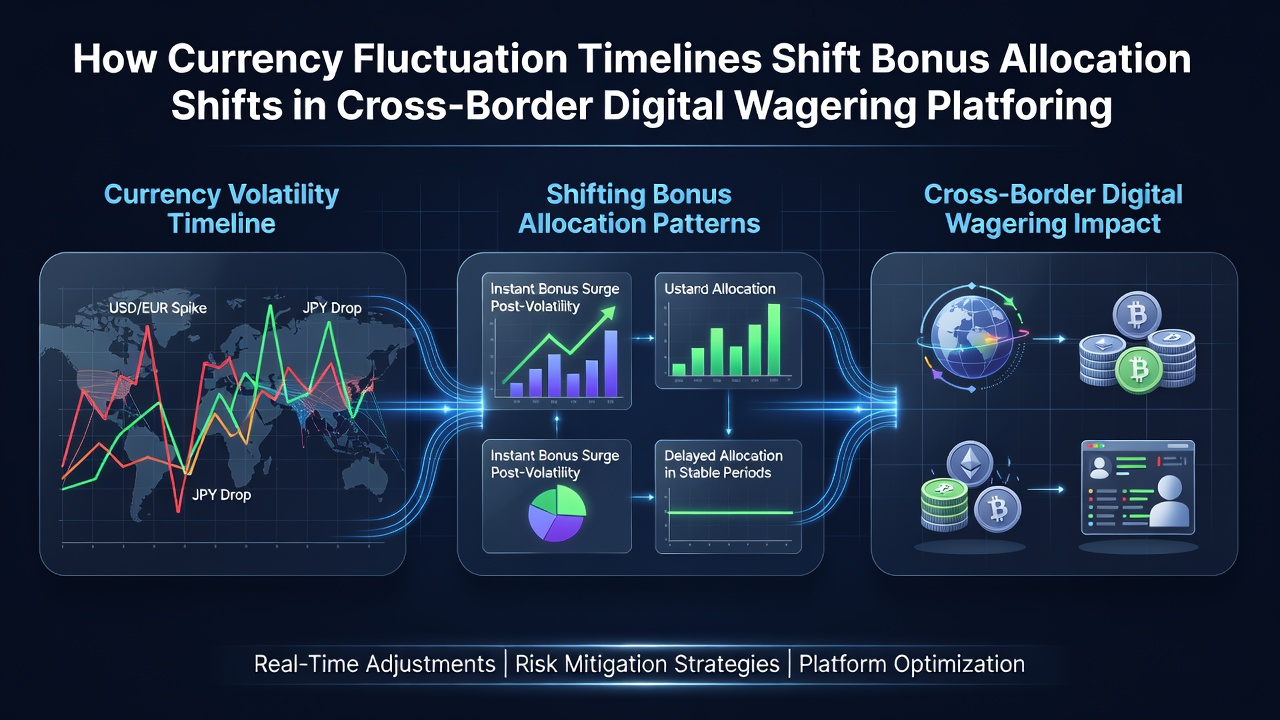
How Currency Fluctuation Timelines Shift Bonus Allocation Patterns in Cross-Border Digital Wagering Platforms
Digital wagering platforms that operate across multiple countries must navigate currency exchange rates that move on their own schedules, and those movements directly alter how bonus funds get distributed to players. Exchange rate volatility creates windows where a bonus credited in one currency loses or gains value before a user converts it, which shifts allocation strategies that operators use to keep balances competitive. Studies from financial regulators in several regions show that platforms adjust bonus structures within hours of major rate shifts, particularly when major pairs like EUR/USD or USD/JPY swing beyond two percent in a single trading session.
Bonus allocation patterns depend on the exact moment a platform locks in the exchange rate for a player's account. Many systems run batch processes overnight, so a rate change that occurs after the batch but before the user claims the bonus can create discrepancies that operators later reconcile through additional credits or adjusted terms. Data from payment processors indicate that these timing gaps appear most often during Asian market hours when European and North American platforms finalize daily promotions, leading to clustered adjustments in regions that use the affected currencies.
Exchange Rate Windows and Bonus Crediting Mechanics
Operators set bonus values in a base currency, typically USD or EUR, then convert them for players in other jurisdictions at the prevailing spot rate. When those rates fluctuate rapidly, the effective value delivered to the player can differ from the advertised amount, prompting platforms to recalculate offers on short notice. Research from the Bank for International Settlements reveals that platforms handling cross-border traffic increased the frequency of mid-cycle bonus recalibrations by 18 percent during periods of elevated volatility in early 2026.
July 2026 brought additional pressure after several central banks adjusted policy signals, which triggered sharper moves in emerging-market currencies used by large player bases in Latin America and Southeast Asia. Platforms responded by shortening the validity windows on converted bonuses so that rate changes had less time to erode or inflate the credited amount. Those who monitor these systems note that allocation algorithms now incorporate real-time feeds from multiple forex sources to flag when a proposed bonus would fall outside preset tolerance bands.
Regional Differences in Allocation Timing
Players in jurisdictions with less liquid currencies experience the largest shifts because conversion spreads widen during off-peak hours. Australian and Canadian operators, for example, often align bonus releases with local market open times to reduce exposure, whereas platforms serving multiple Asian currencies run continuous adjustments. Evidence from industry reports shows that operators serving Brazil and India adjusted bonus percentages upward in July 2026 when the Brazilian real and Indian rupee weakened against the USD, aiming to maintain equivalent purchasing power for players.
Payment rails add another layer because some processors settle in batches that lag behind live rates by several hours. When a bonus moves through such a rail, the final amount credited can reflect an earlier rate, creating the need for subsequent top-ups or clawbacks that platforms apply according to their terms. Observers tracking these flows report that reconciliation requests spiked during weeks when major pairs moved more than three percent, particularly when the moves coincided with weekend bonus promotions that locked rates on Friday evenings.
Platform Adjustments and Player Behavior Patterns
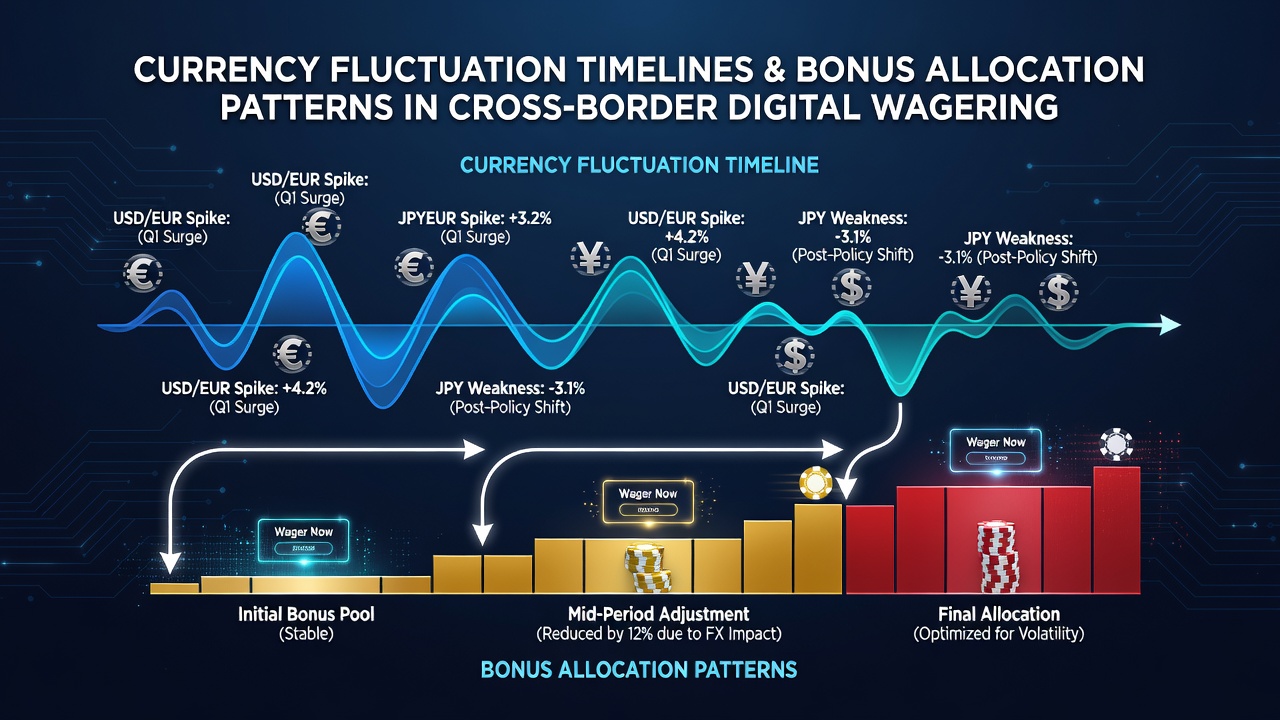
Many platforms now publish the time stamp of the exchange rate used for each bonus, giving players visibility into the conversion applied. This transparency reduces disputes but also encourages users to time their claims around expected rate movements, a behavior that operators counter by randomizing allocation windows within narrow bands. Figures from academic studies on digital finance show that players who actively monitor rates claim bonuses at higher volumes during periods when their local currency is strengthening, effectively increasing the real value received.
Operators have introduced tiered bonus structures that scale with volatility metrics, so larger swings trigger smaller percentage offers until rates stabilize. This approach appears in data released by several European gaming associations, which recorded a measurable drop in average bonus size during high-volatility weeks followed by compensatory increases once markets settled. Those adjustments keep total promotional spend within budgeted ranges while preserving the perceived value delivered to users across borders.
Data Sources and Regulatory Context
Information compiled by the Bank for International Settlements tracks how forex volatility correlates with changes in promotional activity on multi-jurisdiction platforms. Separate analysis from the Gaming Standards Association examines how allocation algorithms respond to rate feeds, confirming that most large operators now embed at least two independent rate sources to limit single-point errors. These technical changes have reduced the frequency of post-crediting adjustments, although complete elimination remains rare given the continuous nature of global markets.
Conclusion
Currency fluctuation timelines continue to shape bonus allocation patterns because conversion mechanics sit at the intersection of forex markets and platform operations. Operators refine their processes as new data emerges, while players adapt their claiming habits around visible rate information. The result is an ongoing calibration that reflects both market conditions and the technical constraints of cross-border payment systems, with adjustments becoming more granular as platforms integrate faster data feeds and tighter tolerance rules.