How Algorithmic Pacing Adjustments in Virtual Card Sequences Influence Retention Cycles Among Frequent Users of Smartphone-Based Interactive Wagering Platforms
Written by Taylor Neumann · Jul 7, 2026
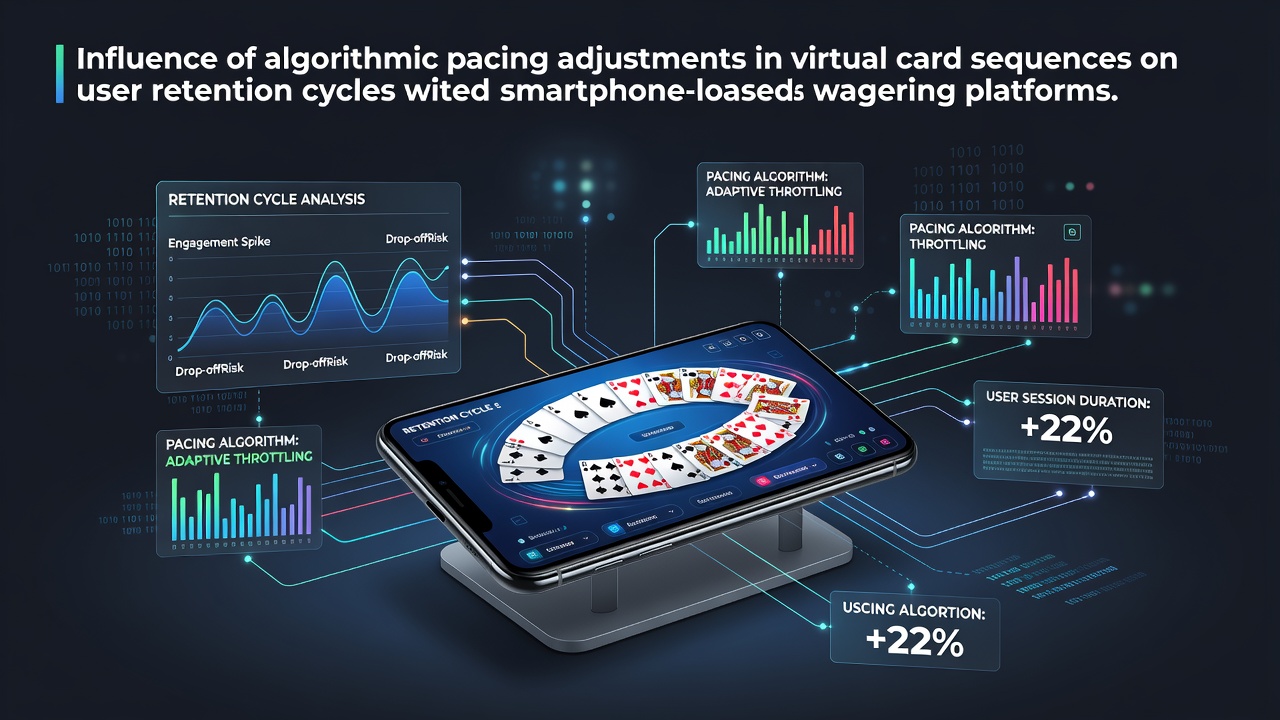
How Algorithmic Pacing Adjustments in Virtual Card Sequences Influence Retention Cycles Among Frequent Users of Smartphone-Based Interactive Wagering Platforms
Algorithmic pacing adjustments in virtual card sequences operate through real-time data analysis that modifies deal speeds, shuffle intervals, and outcome timing on smartphone platforms, and these changes directly shape how often frequent users return to interactive wagering apps. Data from mobile gaming systems shows that when algorithms detect extended play sessions they often slow card sequences to maintain engagement levels while faster pacing appears during shorter visits to encourage quicker decisions and repeat logins.
Core Mechanisms Behind Pacing Adjustments
Smartphone-based wagering platforms rely on machine learning models that track user interaction patterns such as swipe frequency, bet sizing, and session duration, then adjust virtual card sequences accordingly. These models process inputs from thousands of sessions daily to predict optimal timing windows, and researchers at institutions like the University of Nevada have documented how such adjustments correlate with changes in return visit rates. The system might extend the interval between card reveals when engagement metrics drop, which keeps players within the app longer without abrupt session endings.
Virtual card sequences in games like blackjack or poker variants respond to behavioral signals collected through device sensors and touch patterns, and this feedback loop allows platforms to fine-tune pacing in increments as small as milliseconds. Observers note that during peak evening hours algorithms often introduce subtle delays that align with natural decision-making rhythms, whereas morning sessions feature accelerated sequences to match quicker user interactions. Such variations create distinct retention cycles where frequent users experience personalized session lengths that encourage habitual returns.
Effects on User Retention Patterns
Retention cycles among frequent users demonstrate measurable shifts when pacing algorithms alter card sequence timing, and studies tracking app analytics reveal increased seven-day return rates following sessions with balanced pacing adjustments. Platforms collect anonymized data showing that users exposed to adaptive sequences complete more hands per session yet report lower frustration levels compared to fixed-timing environments. This balance supports longer-term engagement because the algorithm avoids both excessive speed that leads to quick exits and prolonged pauses that prompt app closures.
In July 2026 industry reports highlighted several platforms implementing refined pacing protocols that synchronized virtual card reveals with individual user heart rate variability detected through wearable integrations, and these updates coincided with documented increases in monthly active user figures. Frequent users who encountered these adjustments showed higher progression through loyalty tiers because extended play windows allowed accumulation of points without perceived manipulation. The reality is that these cycles depend on continuous refinement of the underlying models which draw from aggregated behavior across regional user bases.
Data Insights from Platform Analytics
Analytics dashboards used by platform operators display retention curves segmented by pacing variants, and figures reveal that sequences adjusted for mid-session fatigue produce steadier return patterns than static approaches. According to research published through the American Gaming Association mobile engagement studies, algorithmic interventions that vary card delivery speed by up to 18 percent yield measurable improvements in session frequency among users classified as high-frequency. These patterns hold across different geographic markets where regulatory frameworks permit such data-driven optimizations.
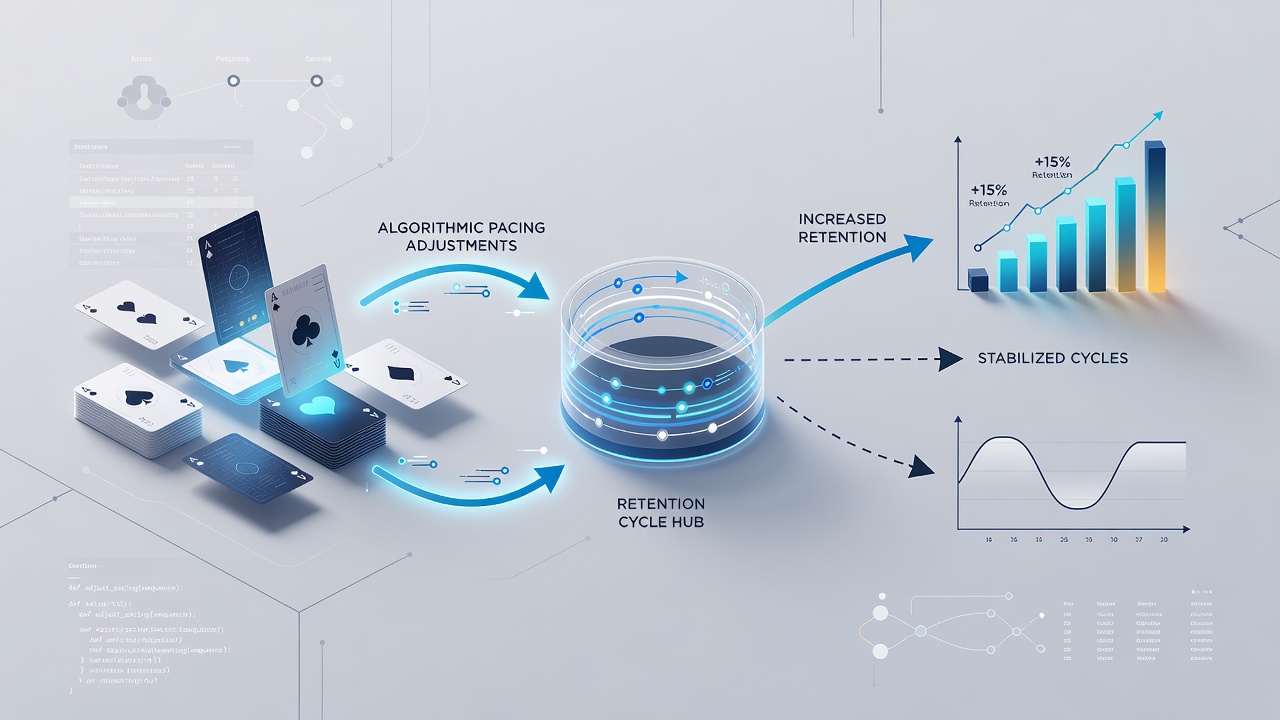
One documented case involved a major operator that introduced dynamic shuffle timing during live dealer card sequences, and the resulting data indicated a 12 percent lift in weekly retention among smartphone users who played more than five sessions per month. The adjustment process incorporates feedback from previous outcomes so that winning streaks receive slightly accelerated pacing while losing sequences gain brief extensions that allow emotional recalibration. Those who've examined these systems emphasize that the algorithms prioritize session continuity over immediate revenue extraction because sustained user presence generates higher lifetime value through repeated interactions.
Regional Variations in Implementation
Regulatory environments shape how pacing algorithms function across different jurisdictions, and operators in markets monitored by the New Jersey Division of Gaming Enforcement must log all timing adjustments for compliance reviews while Australian frameworks require transparency reports on algorithmic influences. These requirements lead to variations where North American platforms emphasize rapid sequence resets between rounds whereas European operators integrate longer cool-down periods calibrated to local user demographics. The differences produce retention cycles that reflect both cultural play styles and legal constraints on data usage.
Platform developers continue to test hybrid pacing models that blend user-selected preferences with automatic adjustments, and early results from controlled trials indicate improved retention metrics when frequent users retain some control over sequence speed. Such hybrid approaches reduce the perception of external manipulation while still leveraging core algorithmic benefits. What's significant is that retention cycles stabilize when adjustments remain within predictable ranges rather than introducing erratic changes that disrupt established user habits.
Conclusion
Algorithmic pacing adjustments continue to evolve as central components of smartphone-based wagering platform design, and their influence on retention cycles among frequent users stems from precise synchronization between virtual card sequences and behavioral data patterns. Ongoing developments in sensor integration and machine learning refinement point toward increasingly personalized timing protocols that respond to real-time physiological signals. Industry stakeholders monitor these shifts through compliance reporting and performance analytics to maintain operational standards across expanding user bases.