Global Time Differences and Their Effects on Engagement with Interactive Host-Led Gaming Options
Written by Yara Friedrich · Jun 4, 2026
Global Time Differences and Their Effects on Engagement with Interactive Host-Led Gaming Options
Global time differences create distinct patterns in how participants interact with host-led gaming formats that require real-time involvement, and these variations influence session scheduling, player availability, and overall activity levels across regions. Live dealer tables, interactive tournaments, and host-moderated multiplayer experiences operate on fixed schedules that align with specific time zones, which means players in distant locations encounter overlapping constraints based on their local clocks. Data from industry monitoring services shows that engagement peaks shift predictably when operators adjust start times to accommodate major population centers in North America, Europe, and Asia-Pacific zones.
Time Zone Structures and Live Session Timing
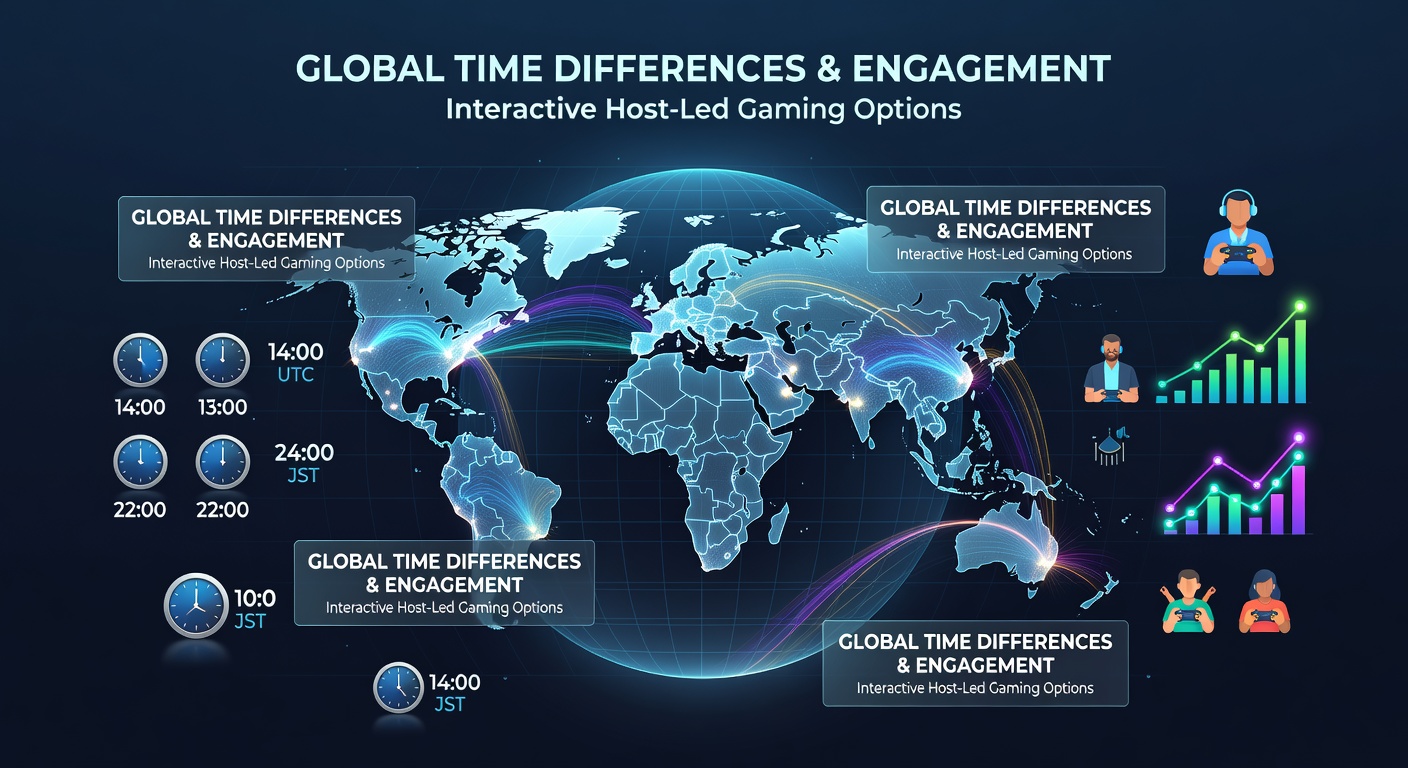
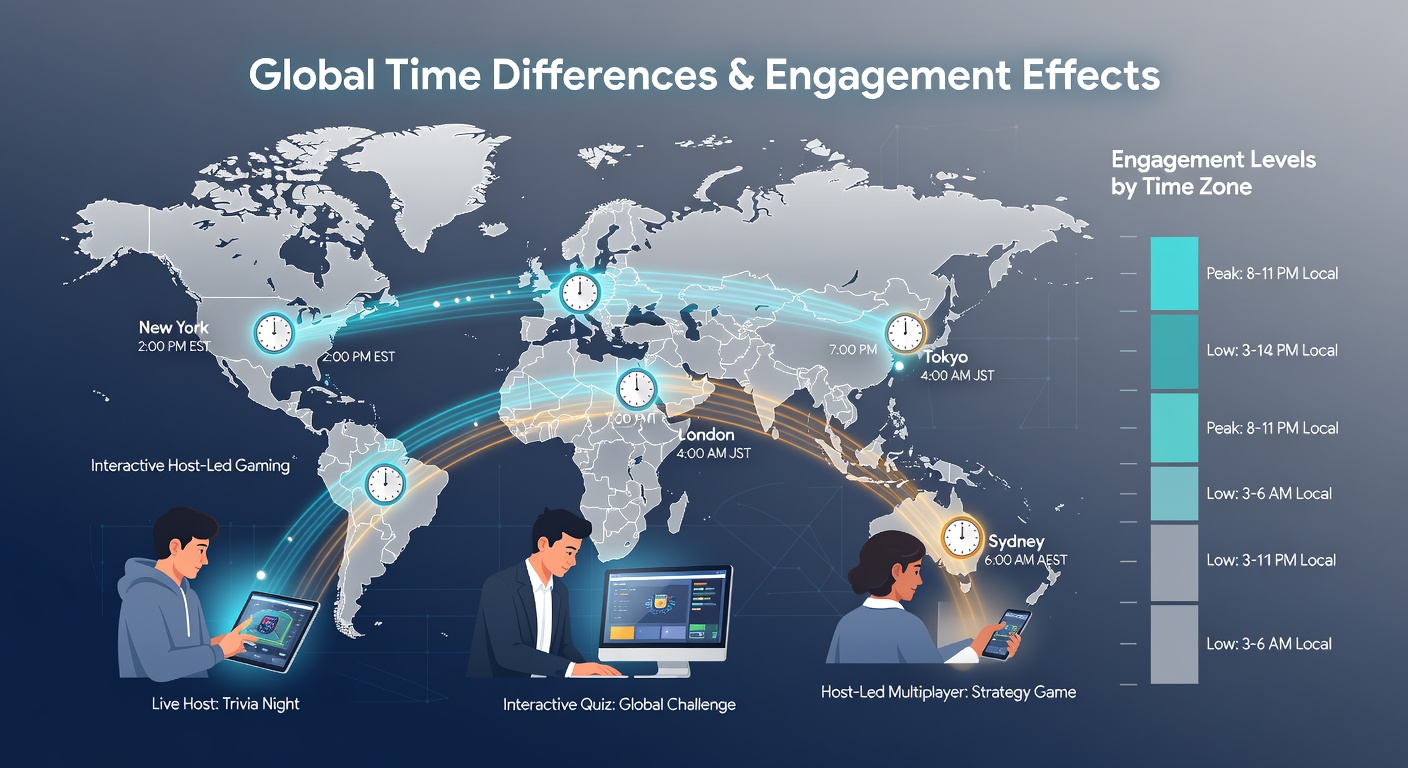
Coordinated Universal Time serves as the baseline for most online platforms that run host-led games, yet conversion to local times produces staggered participation windows. A session beginning at 20:00 UTC draws strong numbers from European players while simultaneously reaching late afternoon for those on the US East Coast and early morning hours across parts of Asia. Observers note that these offsets determine whether a given event captures peak leisure periods or falls into low-activity windows when fewer individuals remain online. In June 2026, several major platforms reported sustained traffic increases during UTC evening blocks that aligned with after-work hours in multiple continents simultaneously.
Host-led formats differ from automated games because human moderators and dealers follow set rosters that cannot stretch across every possible time slot without added staffing costs. Operators therefore concentrate live programming around high-density player regions, leaving secondary zones with fewer options during their preferred hours. Research from university-led studies on digital leisure patterns indicates that session attendance drops by measurable margins when start times fall outside typical evening ranges for a given population.
Regional Participation Patterns
North American players often show highest activity between 19:00 and 23:00 local time, which translates into different UTC blocks depending on whether participants sit in Eastern, Central, Mountain, or Pacific zones. European engagement tends to cluster around 18:00 to 22:00 local, producing overlap with early evening North American activity on many nights. Asian markets, spanning multiple offsets, contribute morning and afternoon UTC traffic that fills gaps left by Western regions. These overlapping and non-overlapping windows create daily rhythms that platforms track through connection logs and session duration metrics.
According to figures released by the Australian Communications and Media Authority, cross-border digital entertainment services experience consistent daily fluctuations tied directly to time zone alignments rather than content changes alone. Platforms that maintain multiple host teams across continents can smooth some of these variations, yet most smaller operators rely on single-region staffing that limits coverage to one primary window per day.
Operational Adjustments and Player Behavior
Operators respond to time-driven engagement differences by rotating featured games and adjusting prize structures to match available audiences. Tournaments scheduled for early UTC hours frequently target Asian and Australian participants, while later blocks focus on European and American markets. Players adapt by selecting sessions that fit their personal schedules, which sometimes means joining at inconvenient local times or waiting for better-aligned alternatives. This selection process affects retention rates when preferred formats remain unavailable during certain hours.
Connectivity and device usage also vary by region and time of day, adding another layer to engagement data. Mobile traffic rises during commute periods in some areas while desktop connections dominate evening leisure blocks elsewhere. Those who study digital behavior patterns have documented how these device preferences combine with time zone effects to shape the composition of live session audiences at different UTC intervals.
Data Insights from Industry Reports
Statistics Canada published findings in early 2026 that linked provincial time zone differences within Canada itself to variations in participation duration for interactive online services. Similar patterns appear when comparing countries that share borders yet operate on separate clocks. The National Telecommunications and Information Administration in the United States has examined broadband usage curves that indirectly reflect when populations engage with time-sensitive digital activities, including live moderated entertainment.
These measurements help platforms predict staffing needs for hosts and dealers while also guiding decisions about which games receive promotion during particular windows. Events that cross multiple time zones often incorporate staggered start options or recorded elements to maintain accessibility even when live moderators cannot cover every region simultaneously.
Conclusion
Global time differences continue to dictate the structure of host-led gaming engagement through fixed scheduling constraints and regional activity cycles. Platforms that monitor UTC conversions alongside local leisure patterns maintain more consistent audience levels across daily cycles. Continued collection of connection data from diverse geographic sources supports refined scheduling that accounts for the full range of time zone influences on real-time interactive participation.