Deciphering Transaction Verification Timelines and Their Role in Guiding Free Spin Allocations Across Mobile Table Game Interfaces in Multi-Jurisdictional Setups
Written by Iris Wagner · Aug 27, 2026
Deciphering Transaction Verification Timelines and Their Role in Guiding Free Spin Allocations Across Mobile Table Game Interfaces in Multi-Jurisdictional Setups
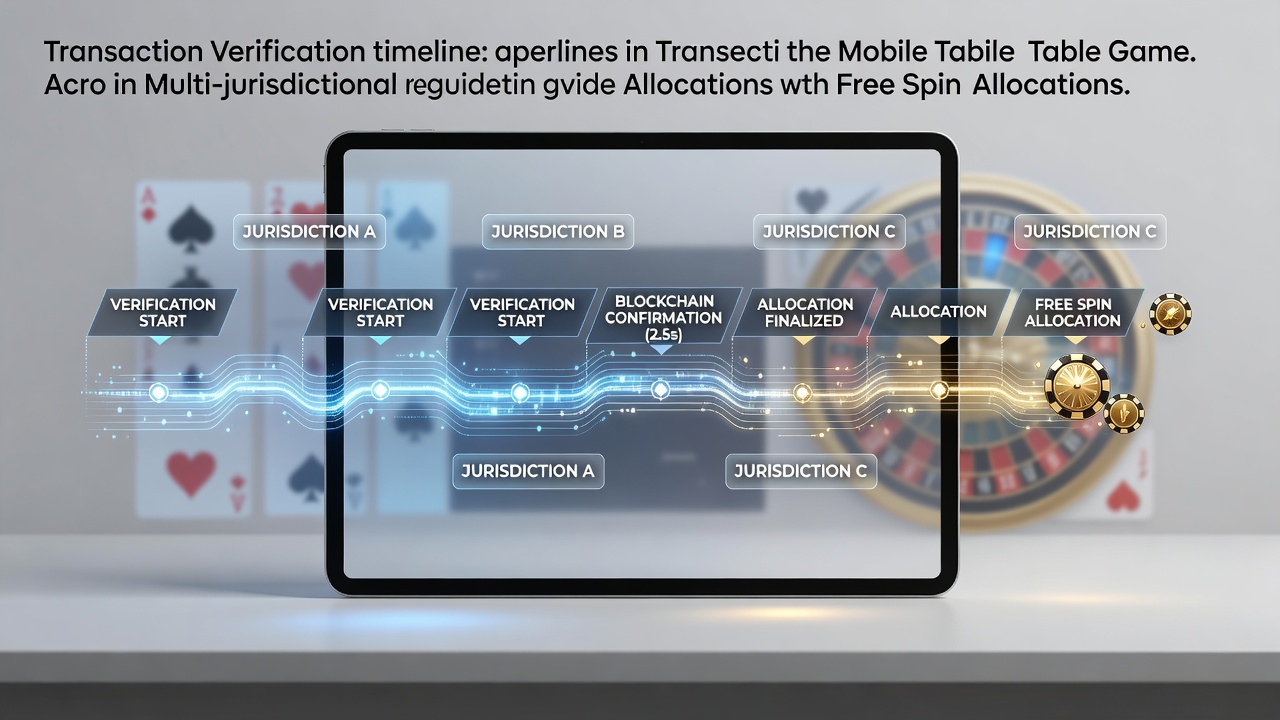
Transaction verification timelines shape how operators allocate free spins on mobile table game platforms when players operate across multiple regulatory zones, and data from payment networks shows processing intervals ranging from instantaneous confirmations to multi-day reviews depending on jurisdiction and method. Researchers tracking digital wagering systems note that these intervals directly determine when bonus credits appear in player accounts for games such as mobile blackjack or roulette, especially where cross-border rules impose extra identity checks or anti-money laundering reviews.
Core Mechanics of Verification in Mobile Environments
Payment processors handle authorization through layered security protocols that include address verification, device fingerprinting, and sometimes manual review, while operators must align these steps with local gaming statutes that vary sharply between regions. In practice, a deposit initiated on a smartphone app in one jurisdiction might clear within seconds under streamlined real-time systems, whereas the same transaction routed through another territory triggers extended scrutiny because regulators require additional documentation before bonus triggers activate. Observers note that free spin allocations tied to verified deposits therefore follow predictable patterns once the initial hold period expires, allowing systems to credit rewards automatically when compliance thresholds are met.
Multi-Jurisdictional Variations and Timing Impacts
European markets governed by authorities such as the Malta Gaming Authority maintain standardized timelines that typically resolve within 24 hours for most card and e-wallet transactions, whereas certain North American state frameworks impose separate layers that extend verification to 48 or 72 hours when cross-state play occurs. Australian state regulators and Canadian provincial bodies apply their own schedules, creating staggered release windows that operators must program into mobile interfaces so free spins unlock only after full clearance. Data compiled by the European Gaming and Betting Association indicates that jurisdictions with shorter verification cycles see higher immediate engagement rates with table game bonuses, while longer cycles correlate with delayed reward distribution across player bases operating in multiple zones simultaneously.
Technical Integration Within Mobile Table Game Platforms
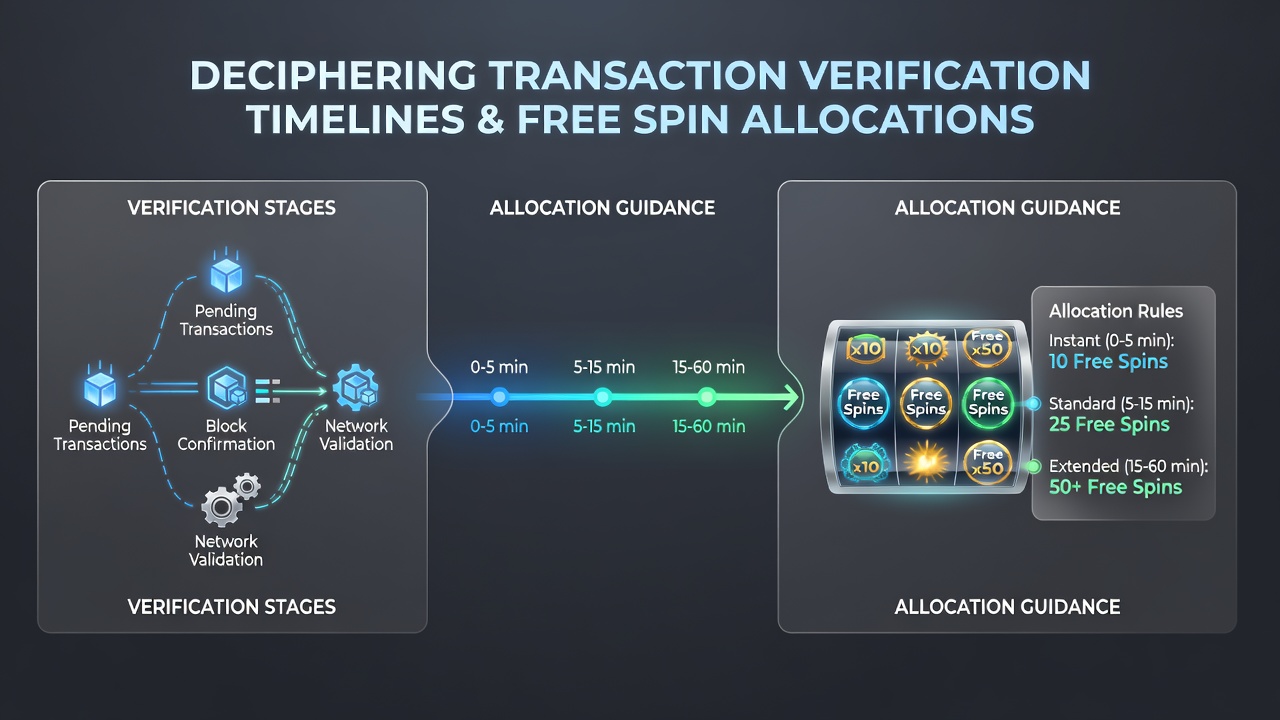
Backend systems link payment gateways to game servers through application programming interfaces that poll verification status at regular intervals, and these connections ensure free spin eligibility flags update only after regulatory and financial checks complete. Mobile interfaces display progress indicators during the wait period, giving players visibility into remaining time before allocated spins become active on games such as virtual poker or baccarat tables. In August 2026 several platform providers introduced enhanced synchronization features that reduced average latency between clearance and bonus activation by integrating direct feeds from multiple payment rails at once.
Regulatory Compliance and Bonus Trigger Rules
Operators must embed jurisdiction-specific logic into their allocation engines because rules governing when a deposit qualifies for free spins differ across borders, and failure to respect these differences risks license sanctions. For instance, some frameworks count only fully settled funds toward bonus qualification, while others accept pending authorizations provided the player has passed initial identity screening. Studies from research institutions tracking digital payment flows reveal that precise mapping of verification timelines to bonus rules reduces compliance incidents and maintains consistent reward delivery even when users switch between mobile networks or relocate temporarily between regulated markets.
Practical Examples Across Regions
One documented case involved a player depositing via bank transfer while traveling between two European countries, where the transaction cleared under the first jurisdiction's faster protocol yet required an additional review under the second, resulting in a 36-hour gap before free spins appeared on the mobile roulette interface. Similar patterns appear in reports from operators serving both U.S. tribal gaming compacts and overseas markets, where the intersection of different verification cadences forces platforms to queue bonus credits until all applicable conditions align. Those who manage multi-jurisdictional portfolios often program fallback timers that automatically notify users of expected allocation windows based on the slowest applicable regulatory path.
Future Adjustments in Verification Infrastructure
Advances in real-time settlement technologies and shared regulatory databases continue to shorten average timelines, and industry reports project further compression of verification windows as more jurisdictions adopt interoperable identity frameworks. These developments directly influence how quickly free spins propagate across mobile table game sessions, particularly when operators serve users subject to overlapping rulesets. Continued monitoring by oversight bodies ensures that any acceleration in processing does not compromise required security or consumer protection standards embedded in each territory's statutes.
Conclusion
Transaction verification timelines serve as the operational backbone that determines the precise moment free spins become available on mobile table game platforms operating under multiple regulatory regimes. Accurate synchronization between payment clearance and bonus engines remains essential for maintaining compliance and delivering consistent player experiences across borders. As infrastructure and regulatory coordination evolve, the intervals governing these allocations will continue to adapt while preserving the factual requirements set by each jurisdiction.