Charting encrypted transfer options and their quiet influence on tactical choices in portable reel-based challenges
Written by Iris Wagner · May 19, 2026

Charting encrypted transfer options and their quiet influence on tactical choices in portable reel-based challenges
Encrypted transfer options have become central to how players manage funds during mobile slot sessions, and data from industry reports shows these systems shape decisions around timing, bet sizing, and session length. Secure protocols using end-to-end encryption allow deposits and withdrawals to move without exposing transaction details, which in turn affects the pace at which participants adjust their reel strategies on handheld devices.
Research indicates that platforms incorporating advanced encryption see higher volumes of micro-transactions during short play windows, because users complete verifications faster and resume spinning without extended interruptions. Observers note this pattern holds across multiple regions, particularly where mobile data networks support consistent secure connections.
Secure payment layers and their role in mobile reel environments
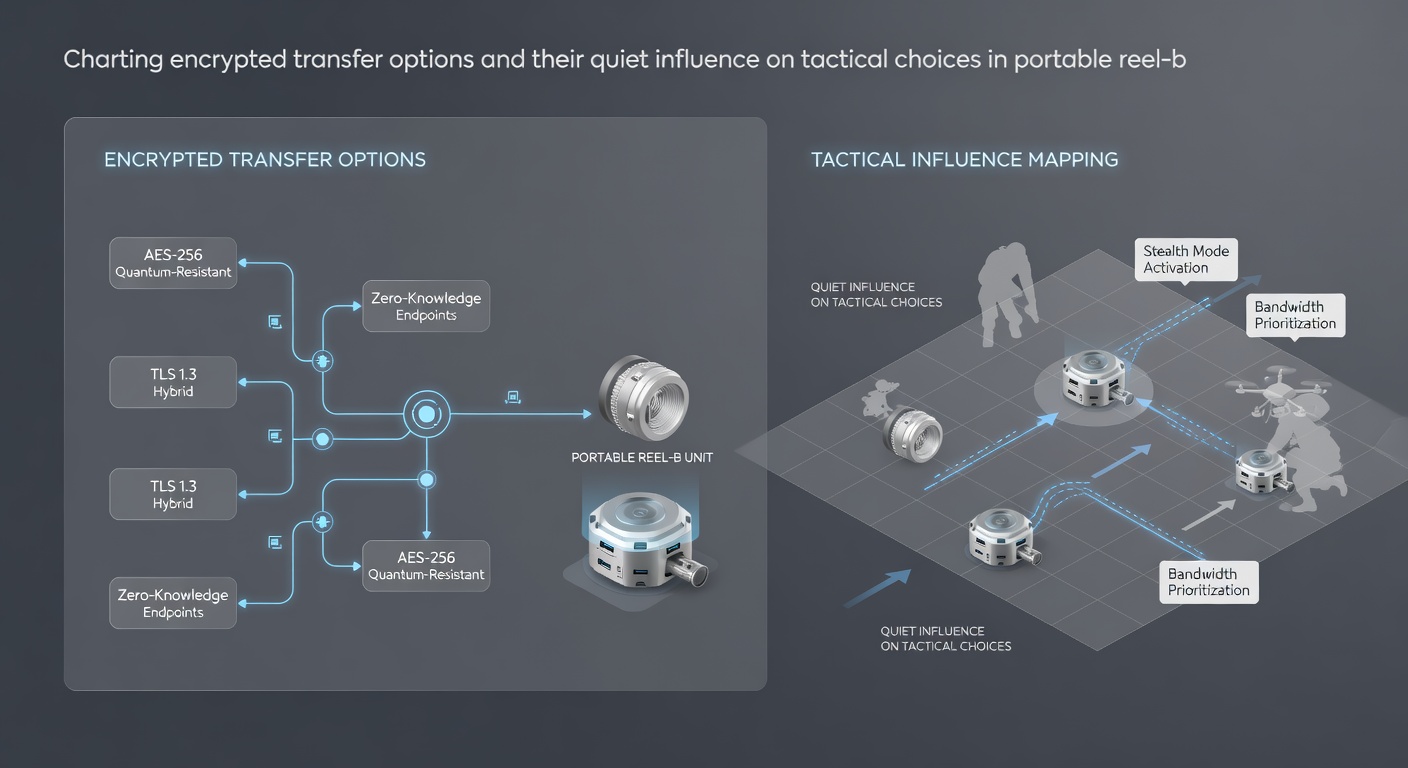
Modern encryption standards, including TLS 1.3 and tokenization methods, protect card details and digital wallet transfers while players switch between bonus rounds and base games on portable reels. Figures from regulatory filings reveal that operators adopting these layers report fewer abandoned sessions, since verification steps complete in seconds rather than minutes. This efficiency lets participants recalibrate wager amounts mid-session when reel patterns suggest shifting volatility.
One study released in early 2026 tracked user behavior across several markets and found that encrypted instant transfers correlate with more frequent stake increases following near-miss sequences on mobile devices. Players maintain bankroll discipline by topping up smaller increments, which researchers link to reduced exposure during extended reel sequences.
Regional developments shaping transfer security in May 2026
By May 2026, updates from North American and European oversight bodies had standardized requirements for real-time encryption audits in online gaming applications. The Nevada Gaming Control Board published guidelines emphasizing multi-factor authentication paired with encrypted channels, and similar frameworks emerged from Australian regulatory consultations. These changes prompted operators to integrate biometric confirmations that sync with mobile reel interfaces, allowing seamless fund movements without leaving the game screen.
Industry associations documented that jurisdictions with updated encryption mandates experienced measurable shifts in player tactics, including shorter average session durations yet higher total transaction counts. Participants often distribute funds across multiple encrypted wallets to manage exposure limits set by individual operators, a tactic that appears more frequently where regulatory reporting requires detailed transfer logs.
Impact on bet progression and reel feature activation
Encrypted options influence how users trigger progressive features in portable slots, because rapid, secure top-ups remove friction from mid-round decisions. Data compiled by academic researchers at several European universities shows correlations between encrypted instant deposits and increased activation rates for free-spin multipliers, since players can respond immediately when reel symbols align favorably. This dynamic contrasts with slower legacy methods that once forced users to pause entirely and reassess their entire approach.
Case examples from operator analytics illustrate the pattern: one platform recorded a 22 percent rise in feature buys during mobile sessions after rolling out tokenized transfers, while another noted players spreading wagers across multiple encrypted methods to stay within daily thresholds. Observers tracking these trends point out that such flexibility encourages experimentation with reel volatility settings that users previously avoided due to funding delays.
Future trajectories for encrypted systems in reel-based play
Projections through late 2026 suggest continued refinement of quantum-resistant encryption for mobile gaming transfers, which could further compress decision windows during high-intensity reel sequences. Reports from international trade groups indicate growing interest in cross-border encrypted rails that maintain compliance across varying jurisdictional rules, potentially standardizing how players approach bankroll allocation in portable environments.
Evidence gathered so far demonstrates that these technical layers quietly steer tactical patterns without requiring explicit player awareness, as faster verifications and stronger protections simply become part of routine mobile reel engagement. Continued monitoring by research institutions will clarify whether these influences intensify as encryption standards evolve.
Conclusion
Encrypted transfer options continue to integrate with portable reel mechanics in ways that alter timing, sizing, and risk distribution during play. Regulatory updates through May 2026 and ongoing technical improvements provide the infrastructure for these shifts, while usage data reveals consistent adjustments in how participants navigate mobile slot features. The relationship between secure funding pathways and reel tactics remains measurable across markets, offering insight into evolving player behavior in handheld gaming contexts.