Analyzing Correlations Between App Interface Features and Advancement in Tiered Reward Systems for Mobile Wagering Platforms
Written by Erik Krüger · Jul 12, 2026
Analyzing Correlations Between App Interface Features and Advancement in Tiered Reward Systems for Mobile Wagering Platforms
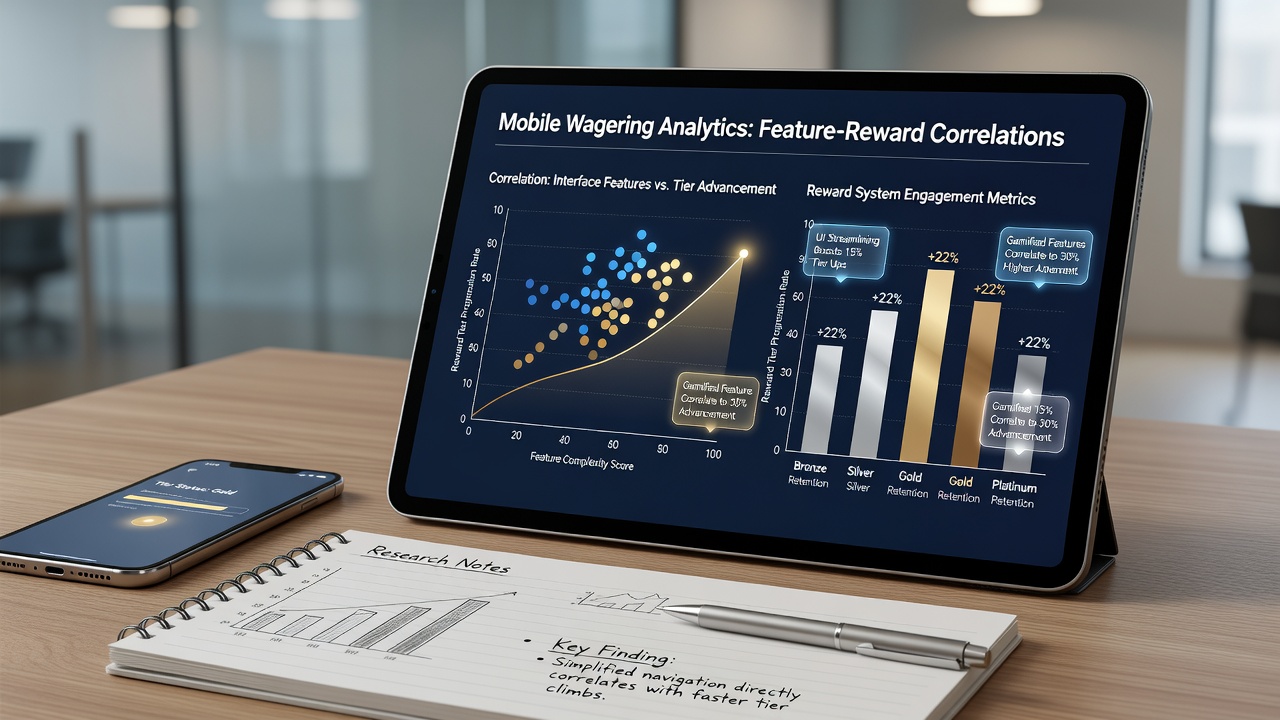
Researchers continue to track how specific design choices in mobile wagering applications connect to user movement through layered loyalty programs, and data from multiple regions show measurable patterns emerging in 2026. Interface components such as navigation menus, notification systems, and visual progress indicators often align with faster progression rates in tiered reward structures, while payment flows and personalization tools add further layers to these relationships.
Core Interface Components Under Review
Studies conducted across North American and Asian markets reveal that streamlined menu layouts correlate with higher session frequency, which in turn supports quicker accumulation of points needed for tier advancement. Observers note that apps featuring one-tap access to reward trackers tend to retain users longer during each visit, allowing participants to complete daily challenges or bonus tasks without friction. Visual elements like progress bars and color-coded status indicators also appear frequently in platforms where users reach mid-tier levels within shorter timeframes compared to apps lacking these cues.
Notification and Feedback Mechanisms
Push notifications tied directly to reward milestones show strong associations with continued engagement, according to aggregated figures from operators in Canada and Australia. When alerts highlight imminent tier upgrades or available perks, users often return within hours rather than days, accelerating their path through bronze, silver, and gold stages. Real-time feedback loops built into the interface, such as instant point tallies after each wager, further reinforce this cycle by reducing the delay between action and perceived progress.
Tiered Reward Structures and User Pathways
Tiered systems in mobile wagering typically divide participants into levels based on wagering volume, deposit frequency, and loyalty tenure, with higher tiers unlocking cashback percentages, exclusive events, and faster withdrawal processing. Data compiled through July 2026 indicate that platforms integrating these tiers with visible interface milestones experience steadier advancement rates, particularly among users who engage with personalized dashboards displaying their current standing and next-level requirements. Those who studied this know that seamless transitions between game selection and reward tracking pages often coincide with reduced drop-off at critical progression points.

Payment interface choices also factor into these dynamics, since frictionless deposit and withdrawal screens allow users to maintain momentum toward higher tiers without interruption. Research indicates that apps embedding quick-access banking tools within the main navigation see elevated conversion from lower to middle tiers during promotional periods.
Observed Correlations in Recent Data
Figures released by iGaming Ontario highlight that interfaces incorporating predictive personalization, such as suggested games based on past activity, link to increased point accrual rates among users who later advance tiers. Similarly, reports from the Singapore Tourism Board’s gambling research division note parallel trends in Southeast Asian markets where gesture-based navigation and dark mode options align with extended play sessions and faster loyalty climbs. These patterns emerge consistently when analysts compare user behavior logs against interface version updates rolled out in early 2026.
Take one dataset from a multi-operator study in which platforms that added collapsible reward history panels observed a measurable uptick in tier promotions within thirty days of implementation. The connection appears tied to reduced cognitive load, allowing participants to focus on wagering rather than searching for status information. Experts have observed that while causation remains difficult to isolate, the temporal alignment between feature deployment and progression spikes continues across several jurisdictions.
Regional Variations and Platform Comparisons
Platforms operating under different regulatory frameworks display slight divergences in how interface features influence reward advancement. In markets overseen by bodies such as the Malta Gaming Authority, emphasis on transparent tier criteria displayed prominently in the app correlates with steadier user movement through levels, whereas regions with less standardized disclosure rules show more variability. Mobile wagering providers that update interface elements seasonally often report stronger correlations during peak activity months, including July when tourism-driven engagement rises in several jurisdictions.
Additional examples surface when comparing legacy operators against newer entrants, where the latter frequently embed gamified progress maps that directly tie interface interactions to tier benefits. Those who've examined these cases note that the presence of such maps frequently precedes accelerated advancement for users who interact with them regularly.
Conclusion
Patterns connecting app interface features to tiered reward progression continue to surface through ongoing analysis of mobile wagering data, with navigation efficiency, notification timing, and visual feedback emerging as recurring factors. As operators refine these elements through 2026 and beyond, the relationships between design choices and user advancement remain subject to further measurement across diverse regulatory environments.